
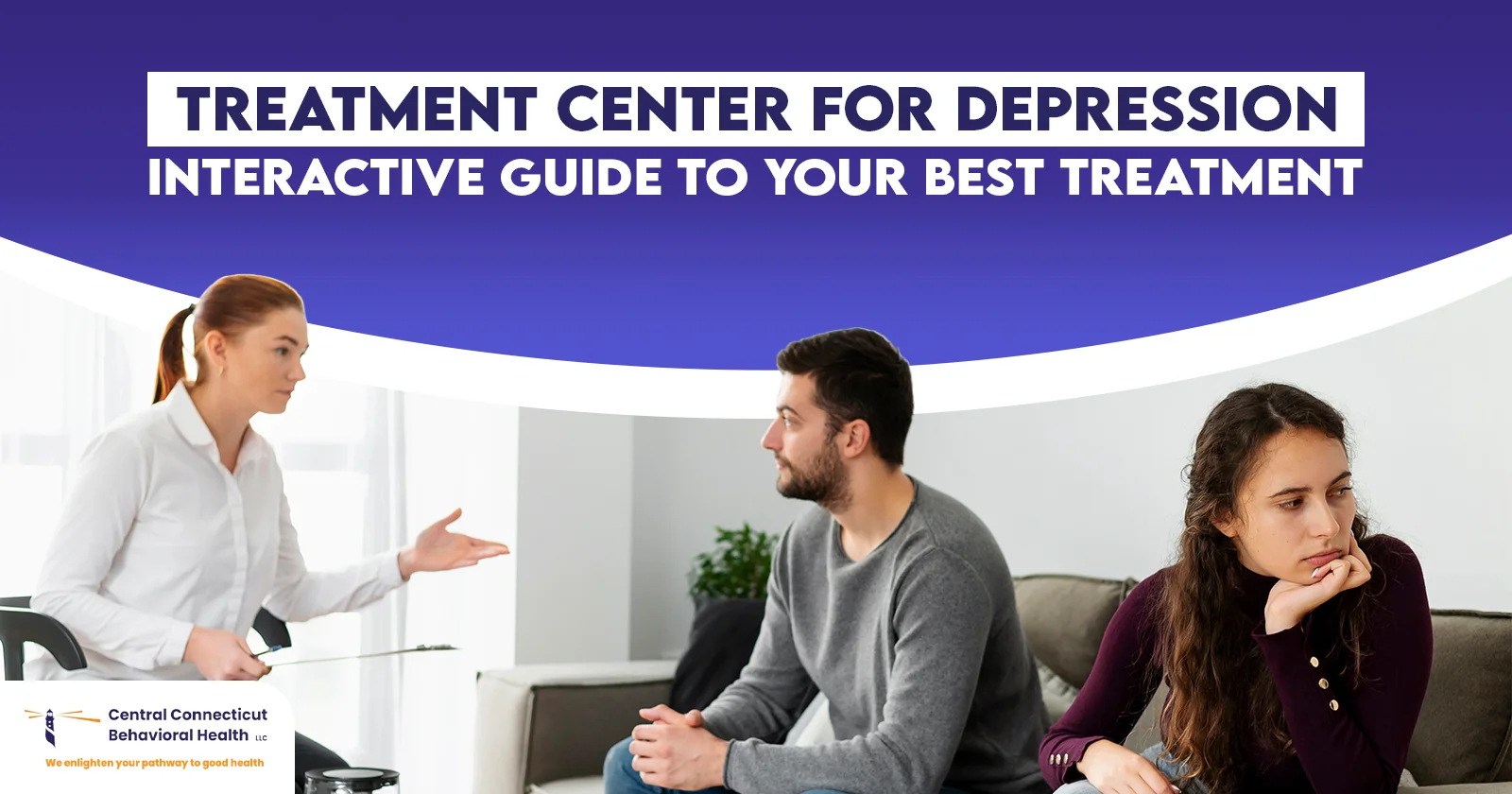
I’ve lost count of how many times a patient has sat across from me, stared at the floor for a moment, and then said, “I don’t even know why I’m here.” That sentence comes up more often than any formal description of symptoms. Nobody walks into a clinic confidently announcing depression. What they usually bring instead is confusion, exhaustion, and guilt for “not handling things better.”
Many people end up at a Treatment Center for Depression after quietly carrying far too much on their own. I’ve seen patients who held demanding jobs, raised families, and supported others for years before finally realizing they were running on empty. Depression, for them, didn’t arrive dramatically. It crept in through sleepless nights, constant tension, and a growing sense that joy felt distant or unfamiliar.
When I talk to someone for the first time, I’m not looking to label them quickly. I’ve learned that depression doesn’t fit neatly into bullet points. Sometimes it looks like sadness. Other times it looks like irritability, brain fog, or feeling disconnected from people you love. This guide is written the same way I explain things in real appointments—slowly, honestly, and without pressure.
What We Really Do When Someone Comes In
People often imagine treatment as one conversation and a prescription. That has never matched reality. At our clinic, we function as a clinical depression therapy center, which means we take time to understand the full picture before making recommendations.
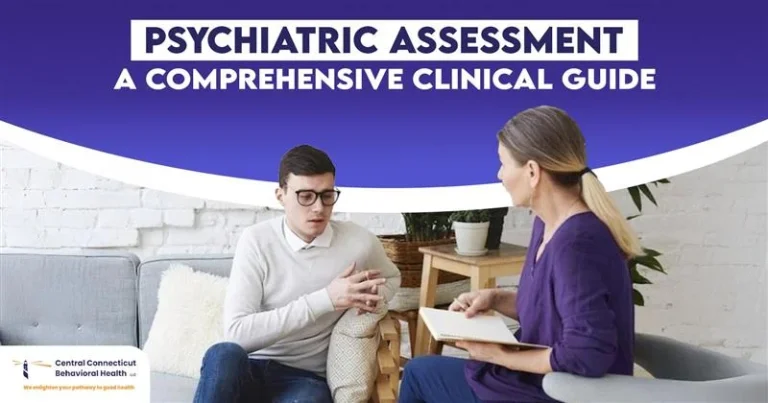
I usually start by asking about sleep, not emotions. Sleep tells me a lot. Then we talk about energy, concentration, and how long the person has been functioning while feeling “off.” Many patients minimize their symptoms because they’ve normalized discomfort. It takes time—and trust—for the full story to emerge.
What I’ve learned over the years is that depression often makes people doubt themselves. They question whether what they’re feeling is valid. A large part of our work is simply reflecting back what we hear so patients can finally see their experience clearly.
How Most Patients Find Us
More than once, I’ve had someone admit they found us by typing Depression Treatment Center Near Me at two in the morning, after another night of staring at the ceiling. Those searches are rarely casual. They usually happen after weeks of internal debate about whether reaching out is “necessary.”
I tell patients this often: you don’t need to hit rock bottom to deserve care. Some of the best outcomes I’ve seen came from people who reached out early, when they still had insight but needed guidance.
When Outpatient Care Is Enough
I’ve worked with many people who were afraid that starting treatment would disrupt their lives. In reality, an Outpatient Depression Treatment Center is often designed to do the opposite. It supports people while they continue living their lives.
I’ve seen parents come to sessions on their lunch breaks, students fit appointments between classes, and professionals quietly rebuild emotional balance without stepping away from responsibilities. Outpatient care allows us to address real-time stressors as they happen, instead of hypotheticals.
When Someone Needs More Support
There are moments when depression becomes heavier than a person can safely manage. In those cases, I’ve recommended an inpatient depression treatment center not as a failure, but as a pause—a chance to stabilize and reset.
For others, a residential depression treatment center provides structure that outpatient care can’t offer during certain phases. When referrals are needed, we stay involved. One thing I never want a patient to feel is abandoned during transitions in care.
What Therapy Actually Feels Like
I wish more people knew that therapy isn’t about saying the “right” things. As a Depression Therapy Center, we expect uncertainty. Some sessions are full of words. Some are quiet. Both matter.
Over time, I’ve watched patients recognize patterns they’d lived with for years without noticing. Once that awareness clicks in, something shifts. Self-blame softens. Choices become clearer. That shift is often the beginning of real healing.
Working With Teen Patients
Teen depression requires patience. I’ve seen it show up as anger, silence, or sudden academic struggles. At our Treatment Center for Depression, we approach adolescents carefully, respecting trust while involving families where appropriate.
Teens don’t need to be fixed. They need to feel safe enough to talk honestly without fear of judgment or punishment. When that happens, change follows.
Supporting Adults Who Are Burned Out
Adults rarely describe themselves as “depressed.” They say they’re tired, overwhelmed, or numb. As an inpatient depression treatment center, we focus on improving daily functioning first—sleep, focus, emotional regulation—before anything else.
I’ve watched small improvements restore confidence. Better sleep leads to better mornings. Better mornings lead to clearer thinking. Progress often begins quietly.
Insurance and Real-Life Logistics
Cost concerns come up in nearly every intake. Most insurance plans do cover depression care, including therapy and medication management. Once coverage is explained clearly, I often see shoulders relax.
For many people considering an outpatient depression treatment center, understanding insurance removes one more barrier to starting care.
Final Words
If there’s one thing years in this work have taught me, it’s that depression convinces people they should handle everything alone. That belief is part of the illness. A treatment center for depression should feel grounding, not clinical or cold.
At Central Connecticut Behavioral Health, we focus on walking alongside people as they regain stability—not rushing them toward an unrealistic version of “better.”
Frequently Asked Questions
-
How do I know if what I’m feeling is really depression?
If symptoms are persistent and affecting daily life, professional guidance can help clarify what’s going on.
-
Is therapy enough on its own?
It is enough for the majority of patients but in severe cases it is paired with medications to enhance the recovery.
-
Can I still work or attend school during treatment?
Most outpatient patients do exactly that while receiving care.
-
Do you treat teenagers?
Yes, with age-appropriate and family-aware care.
-
What if my symptoms worsen?
Treatment plans can change, and higher levels of care can be coordinated when needed.
-
Will insurance cover this?
In most cases, yes. Benefits are verified before treatment begins.