
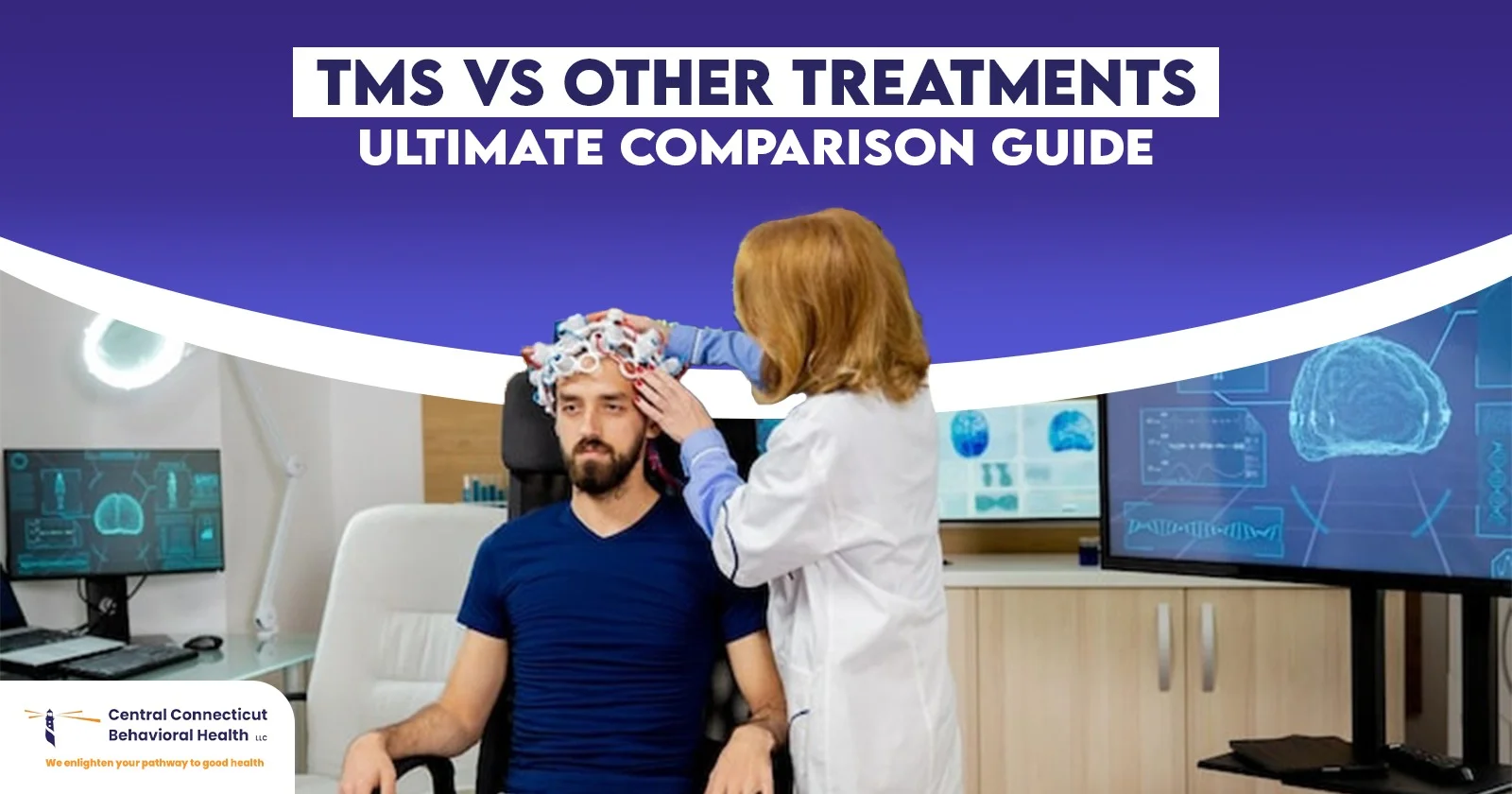
When individuals need modern, effective treatment of depression, the question of which type of treatment to use TMS vs other treatments type will be a key consideration in their search for treatment options. Many individuals who deal with depression and anxiety for long periods of time may be confused about what is the most appropriate form of treatment for their condition.
Central Connecticut Behavioral Health offers an evidence-based, comprehensive evaluation process as well as the use of multiple advanced treatment modalities including TMS therapy that can enhance emotional wellness and improve brain function.
What Is TMS Therapy?
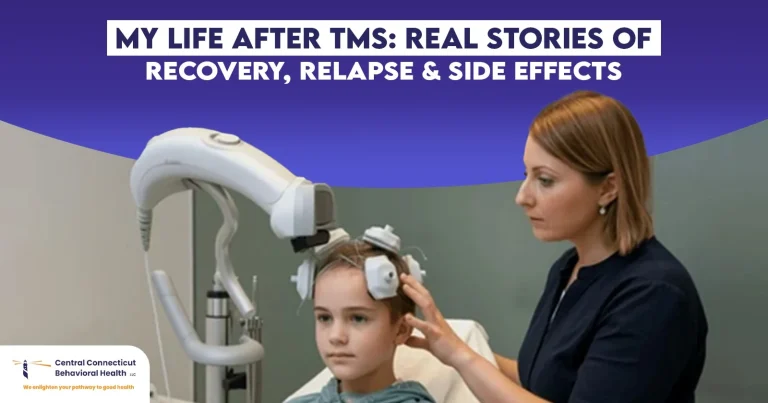
Transcranial Magnetic Stimulation (TMS) is an effective, painless, and easy-to-use option for the treatment of depression through stimulation of brain regions associated with mood regulation (which are often less than optimally functioning in those suffering from depression).
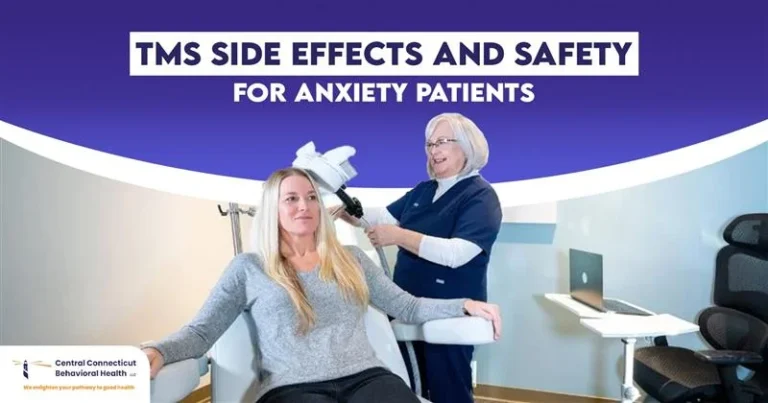
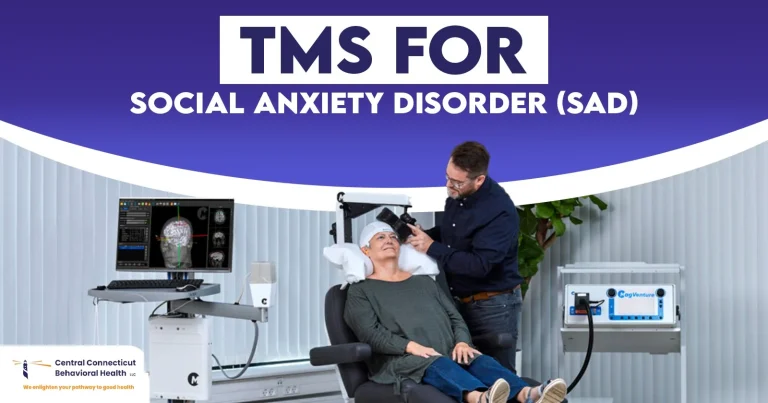
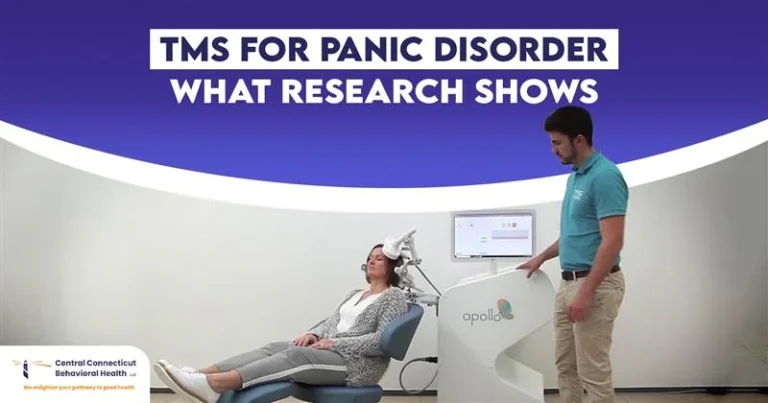
The procedure is performed on patients who are fully conscious and awake. There is no requirement for anesthesia, surgery, or recovery time, which is a major benefit when comparing TMS and other treatments.
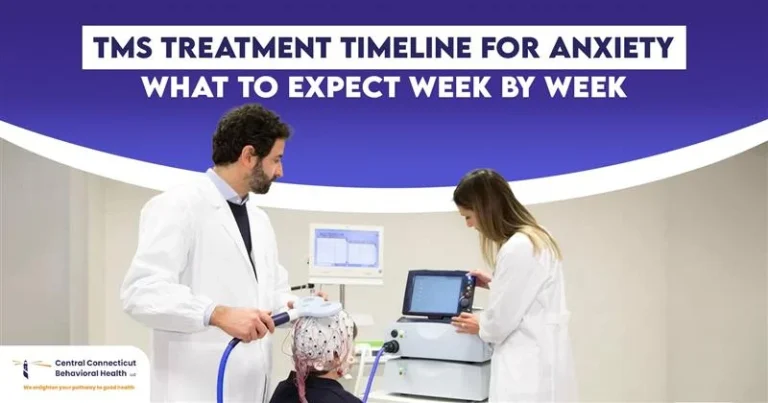
Sessions generally last between 20 to 40 minutes in duration and are scheduled between three to four days per week.
TMS vs Medication for Depression
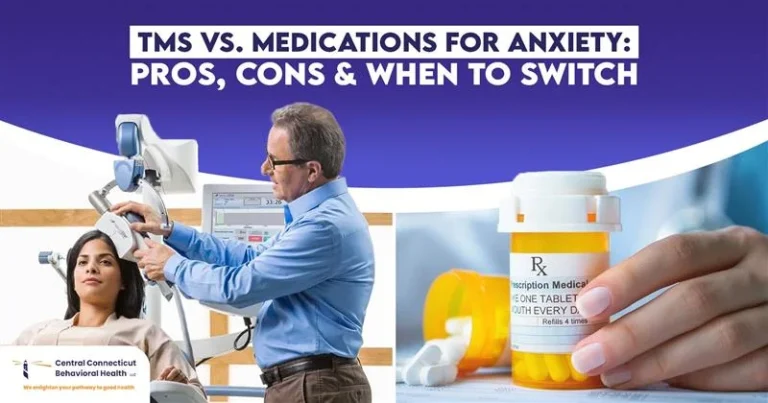
When comparing TMS vs medication for depression, the primary difference is in their effects on the body. While anti depressive drugs are distributed throughout the entire body via the bloodstream and influence numerous bodily systems, TMS targets specific areas of the brain that are affected by depression without generating side effects related to other body systems.
This makes TMS very desirable to patients who have difficulty tolerating medication or who have not improved on multiple medication prescriptions. This distinction is made even more pronounced when making comparisons between TMS vs other treatments modalities for patients suffering from treatment resistant depression.
TMS vs Antidepressants
Patients, who may feel they are stuck on long-term medications, can benefit from knowing how TMS vs antidepressants; antidepressants must be taken every day and may take weeks or months before showing any kind of effect.
The treatment schedule for TMS includes both timeframes and methods of treatment, while antidepressants require daily dosing. Most patients who have undergone TMS treatments report fewer side effects, as well as an improved sense of being focused and organized during their course of treatment.
As a result, many individuals choose TMS as a viable option for receiving quality care without needing to depend on medication for the long-haul.
TMS vs Therapy
It’s crucial to recognize that while Transcranial magnetic stimulation vs therapy is both effective treatments for patients suffering from depression, they treat depression in different manners.
TMS provides direct treatment to areas of the brain that are physically active while traditional forms of therapy teach individuals new ways of thinking and behaving to cope with their illnesses.
In comparing TMS vs traditional forms of therapy, caregivers may suggest using a combination approach through professional counseling services combined with TMS procedures to increase overall success rates when determining whether or not TMS is suitable compared to other forms of treatment.
TMS vs CBT (Cognitive Behavioral Therapy)
In comparing TMS vs CBT, psychotherapy relies on identifying and changing thoughts that cause distress in an individual. CBT is proven effective with less severe levels of Depression.
However, TMS vs. CBT demonstrates that individuals suffering from more severe or long-term forms of depression will likely have a challenging time being completely receptive to the process of therapy.
The brain stimulation associated with TMS can positively impact brain function and enhance the therapeutic effectiveness of CBT when used collaboratively.
TMS vs Talk Therapy
When individuals feel burnt out, they often turn to talk therapy to provide an outlet for their emotions and thoughts. Both types of therapy require a significant amount of effort to engage in.
Comparing TMS and talk therapy, TMS can assist clients who can’t verbally express themselves due to feeling depleted or despondent. As symptoms have improved, individuals may find talk therapy to be more beneficial and be able to participate more authentically.
TMS vs ECT
When comparing TMS and ECT for severe cases of depression, the difference between these. ECT utilizes electrical stimulation with the patient under anesthesia.
However, with TMS this is not the case. Patients are alert and function normally both before, during, and after their treatment. This allows TMS to be a great option for many patients looking for a safer alternative to receive.
ECT may produce a more rapid response in patients experiencing extreme difficulty compared to TMS, but it also involves greater risks.
According to studies examining the efficacy of TMS vs ECT, TMS has demonstrated consistent, prolonged improvement in patients with fewer adverse events. This combination of effectiveness and safety allows for TMS to be appropriate for many individuals.
TMS vs Ketamine
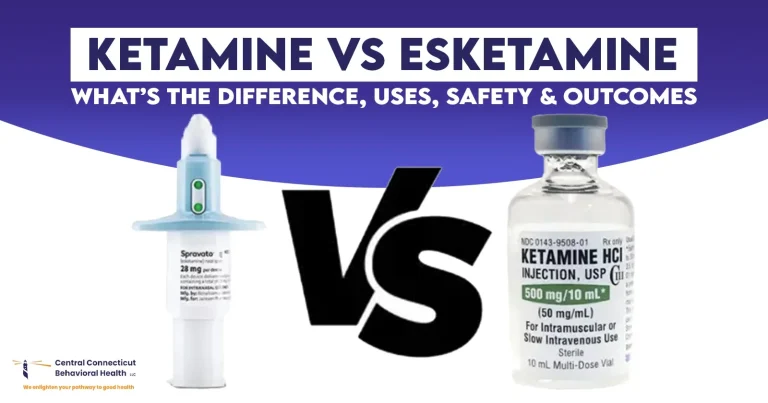
Ketamine produces rapid symptom response while TMS yields longer-lasting changes in brain structure without causing dependence or worsening of existing problems.
Many people prefer TMS because they want to achieve sustained improvement as opposed to just temporary relief.
Final Words
The decision to use TMS vs other treatments is a personal choice heavily dependent upon a patient’s own individual needs and is best made with guidance from clinical professionals.
Central Connecticut Behavioral Health’s mission is to work with patients to develop personalized evaluations; provide high-quality care through modern TMS therapy; and provide compassionate support for regaining control over mental health and enhancing the quality of life.
FAQs
Are long-lasting effects of TMS compared to other therapies possible?
Yes, TMS demonstrates excellent long-lasting effects compared to other therapies, particularly among individuals who have not previously responded to other treatment methods.
What factors do physicians consider when selecting TMS or alternative therapies?
Providers evaluate symptom severity, treatment history, and patient preferences.