
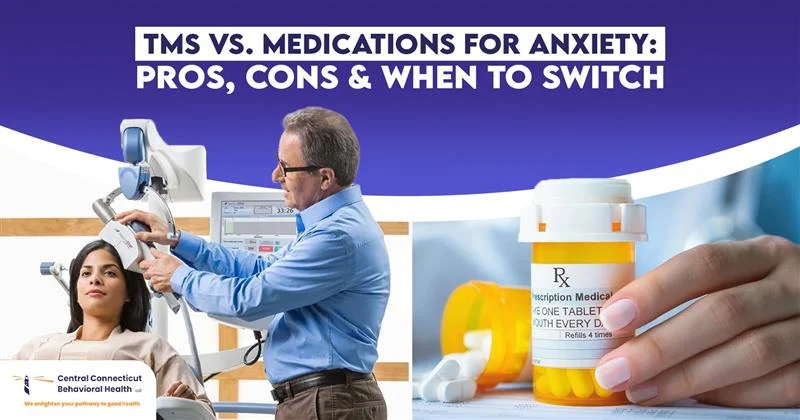
Over the last few decades, treatment options have expanded beyond traditional prescriptions, offering patients more personalized and science-backed choices.
One of the most discussed comparisons is between medication-based care and TMS vs medication for anxiety, especially for individuals who do not experience full relief from standard drugs.
Central Connecticut Behavioral Health is helpful for patients by offering evidence-based mental health treatments, including advanced options, in a supportive and patient-centered environment.
Understanding Anxiety Disorders at a Clinical Level
Generalized Anxiety Disorder (GAD), Panic Disorder, Social Anxiety Disorder, and trauma/depression-related Anxiety all share the same modified Neural Circuits. They are all associated with dysfunction of the Neural Circuits responsible for processing Fear, threat evaluation, and Emotion.
The brain areas involved are as follows:
- Prefrontal Cortex
- Amygdala
- Anterior Cingulate Cortex
When an individual respond positively or negatively to an intervention, it may be due to the intervention’s ability to restore harmony to the Networks associated with those responses. Therefore, no two people will respond equally well to an intervention.
Medication-Based Anxiety Treatment: How It Works
Medication treatment for anxiety typically relies on changing the level of neurotransmitters as a means of controlling heightened fear reactions and enhancing your ability to organize your feelings.
Types of medications frequently prescribed by physicians include:
- SSRIs (selective serotonin reuptake inhibitors) – e.g., sertraline and escitalopram
- SNRIs (serotonin and norepinephrine reuptake inhibitors) – e.g., venlafaxine
- Benzodiazepines (to be taken briefly)
- Buspirone
The above-listed medications are often the first type of medications that a physician will prescribe when treating patients with anxiety.
Limitations of Anxiety Medications
While many people and doctors use prescription drugs to treat anxiety, these medications also have some significant disadvantages that encourage patients to look elsewhere for ways to explore anxiety medication alternatives. Common issues with these medications include:
-Late onset of action.
-Weight gain or tiredness.
-Loss of libido.
-Emotional detachment (i.e., no feelings).
-Symptoms caused by stopping the medication.
Many patients in the community report having concerns about the differences between using TMS vs SSRIs anxiety, especially when SSRIs have not worked well enough to relieve their anxiety or have caused continued side effects.
Side Effects: TMS side effects vs medication
Patients commonly prefer the TMS experience compared to medication when considering side effects because of how important the ability to tolerate treatment and stay functional in day-to-day life is for them.
Some of the main medications have side effects that cause nausea, sleep issues, problems with sexual intercourse, and emotional numbness.
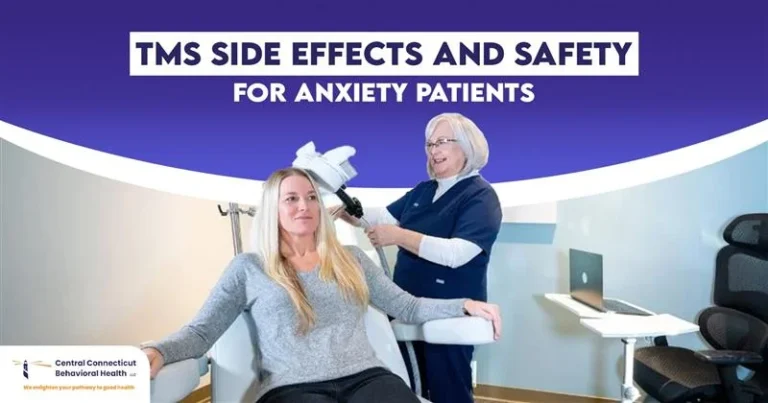
Conversely, TMS has a mild scalp discomfort for some as well as occasional headaches, but generally does not cause weight gain or sexual issues.
By understanding these differences between treatments, you can help ensure a patient’s long-term commitment to TMS.
Cost considerations and accessibility
TMS anxiety treatment cost is higher than medication; however, their overall long-term costs
could be comparable based on less dependency on pharmaceuticals and thus lower
side effect management needs.
Cost-inducing components of TMS include (but are not limited to):
(i) The number of TMS sessions needed
(ii) The level of insurance coverage available
(iii) The intensity of anxiety symptoms being treated.
Patients looking for ” TMS treatment near me for anxiety ” can find specialized clinics that will verify insurance coverage options.
When to consider switching from medication to TMS
Several clinical indicators will inform when to switch
from meds to TMS
These would be:
- An inadequate response to medications after sufficient trial length
- Severe side effects from medications
- Only partial symptom relief from medication
- The patient’s desire for a non-medicinal treatment strategy
This decision must always be made with the help of a qualified mental health professional.
Final Thoughts
Being able to comprehend the differences between TMS vs medication for anxiety gives patients the capability to make educated and empowered choices based on scientific principles as opposed to trial and error methods.
Though medication works very well for many individuals with anxiety, it may not be successful for all individuals and the potential for side effects may impede the use of these medications over longer periods of time.
Its ability to directly influence brain circuits involved in anxiety makes it especially valuable for
treatment-resistant cases. When comparing outcomes, tolerability, and patient satisfaction, TMS continues to emerge as a strong alternative or adjunct to medication.
Central Connecticut Behavioral Health provides the most effective care plans that are individualized, taking into account symptom severity, medical history, lifestyle, and patient preferences. With proper clinical guidance, switching treatments can be safe and beneficial.
Frequently Asked Questions (FAQs)
Is TMS vs medication for anxiety better for everyone?
No. Treatment effectiveness varies by individual and clinical profile.
Is Transcranial magnetic stimulation anxiety treatment safe?
Yes. It is FDA-cleared and well-tolerated.