
TMS side effects anxiety is a topic many anxiety patients think about before starting treatment, especially when they want relief without heavy medication use.
Transcranial Magnetic Stimulation, also called TMS, is a non-invasive brain stimulation therapy that uses magnetic pulses to activate specific areas of the brain linked to mood and anxiety regulation. Anxiety patients often worry about safety, discomfort, and long-term risks, which is why understanding TMS clearly is important before beginning treatment.
At Central Connecticut Behavioral Health, we provide TMS care with medical supervision, education, and emotional support throughout the treatment journey.
What Is TMS Therapy and How It Works for Anxiety
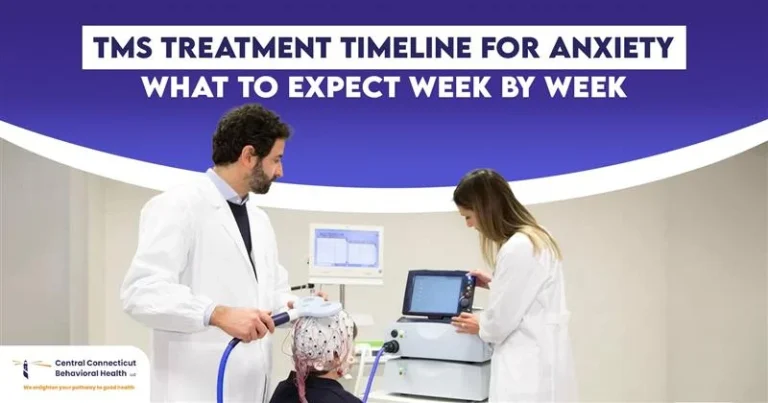
The transcranial magnetic stimulation technique consists of sending specific magnetic pulses through specific areas of the brain. These areas are responsible for emotional regulation, how we respond to fear, and processing stress.
In anxiety patients, certain brain circuits can be either overactive or underactive. TMS helps rebalance these circuits. Over time, this can reduce anxious thoughts, physical tension, and emotional overwhelm.
- Approved by the FDA for treating Major Depressive Disorder (MDD), it is also being used off-label to treat generalized anxiety disorder (GAD).
- You will not have to change your medication.
- Each session typically lasts 20 to 40 minutes.
Is TMS Safe for Anxiety Patients
Clinical research and real-world use show that TMS is considered very safe when delivered by trained professionals. TMS does not damage brain tissue. It does not cause memory loss. It does not affect intelligence or personality. The magnetic pulses are similar in strength to those used in MRI machines, but they are more focused and controlled.
Safety factors that make TMS low risk
- No anesthesia or sedation
- No systemic side effects like medication
- No dependency risk
- Continuous monitoring during sessions
Does TMS Worsen Anxiety at the Beginning
Some people experience a temporary increase in anxiety during the first one to two weeks of treatment. This does not mean the treatment is failing. This short-term increase happens because the brain is adjusting to new stimulation patterns. It usually settles quickly and is followed by gradual symptom improvement.
Clinicians closely monitor patients during this phase. Adjustments in stimulation settings can help reduce discomfort.
TMS Headaches and Anxiety: What You Should Know
TMS headaches and anxiety are often linked during the early phase of treatment. Headaches occur because the scalp muscles respond to repeated stimulation.
These headaches are typically mild and respond well to:
- Hydration
- Over-the-counter pain relief
- Adjusting coil position
- Headaches rarely last beyond the first two weeks of treatment.
Rare TMS Side Effects in Anxiety Patients
Rare TMS side effects anxiety should be discussed honestly, even though they occur in less than 1% of patient
Rare side effects include
Seizure (extremely uncommon)
Hearing discomfort without ear protection
Brief mood shifts
Proper screening, medical history review, and protective measures reduce these risks significantly.
TMS Therapy Anxiety Risks Compared to Medication
TMS therapy anxiety risks are often lower than those associated with long-term medication use.
| Treatment Type | Common Risks | Long-Term Concerns |
| Anxiety medication | Weight gain, fatigue, sexual side effects | Dependency, tolerance |
| TMS therapy | Mild headache, scalp discomfort | Minimal long-term risk |
What to Expect During TMS for Anxiety Treatment?
During treatment:
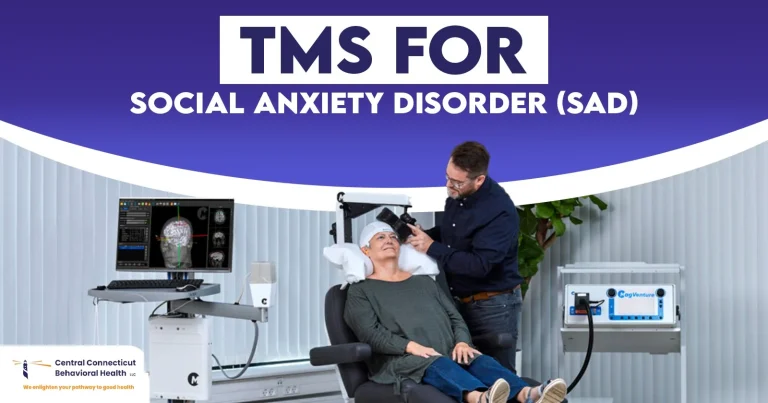
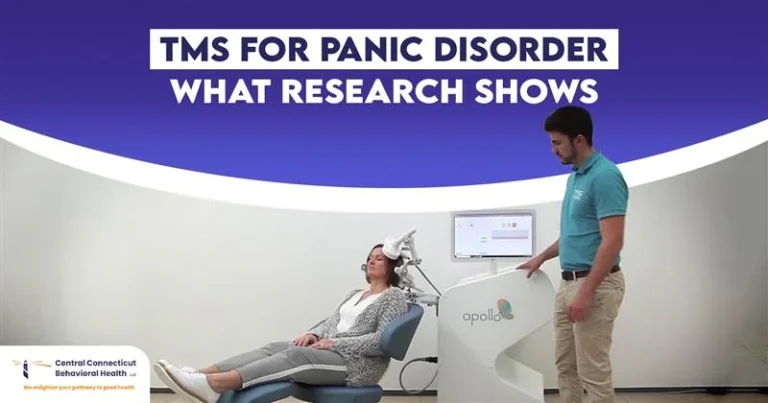
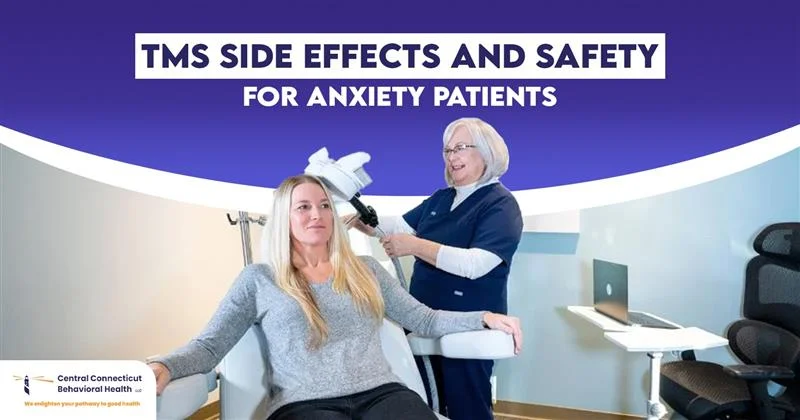
You sit comfortably in a chair
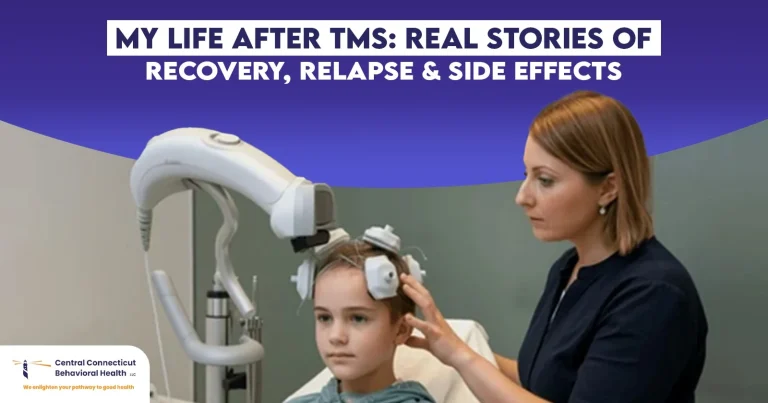
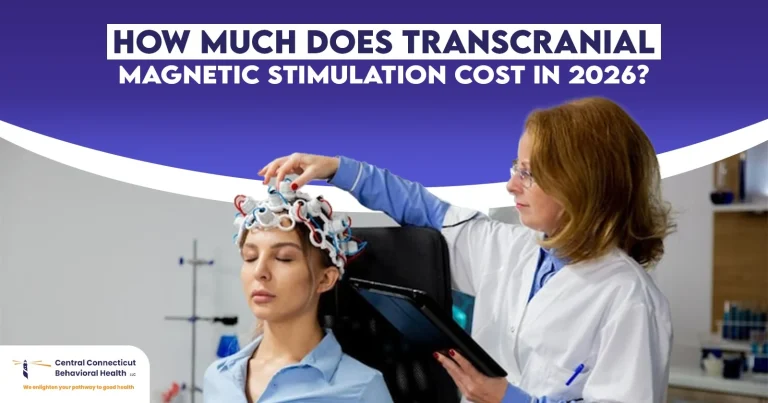
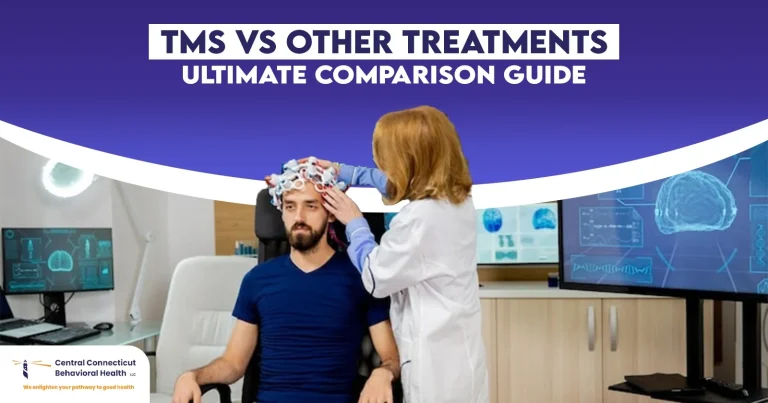
A magnetic coil rests on your scalp
You hear clicking sounds
You remain awake and alert
After sessions:
You can drive home
You can return to work
No recovery time is needed
Progress often builds gradually over several weeks.
Signs TMS Side Effects Anxiety Patients Should Monitor
Patients should report include:
Severe or worsening headaches
Dizziness that does not improve
Emotional distress that feels unmanageable
Most concerns can be resolved by adjusting treatment settings.
How Safe Is TMS for Anxiety Patients Long Term
Research shows no evidence of brain damage or cognitive decline. Many patients repeat TMS in the future if symptoms return. Maintenance treatments are also considered safe.
Final Words
By clarifying TMS side effects anxiety, patients can make confident treatment decisions based on accurate knowledge of what to expect with TMS therapy.
TMS does not carry the side effect risks associated with medication. Most side effects are mild, temporary, and manageable through professional supervision; TMS has proven to be an effective means of managing anxiety-related disorders, when given appropriate screening and oversight by trained professionals.
Central Connecticut Behavioral Health provides patients with compassionate, evidence-based TMS treatment that addresses patient safety, comfort, and long-term mental wellness while effectively treating anxiety.
FAQs
Is TMS side effects anxiety permanent?
No. Most side effects are temporary and mild.
Is TMS safe for anxiety patients with panic disorder?
Yes. Many panic disorder patients tolerate TMS well.
Can TMS worsen anxiety long term?
No. Any increase is usually short-term.
Are rare TMS side effects anxiety common?
No. They are very uncommon.