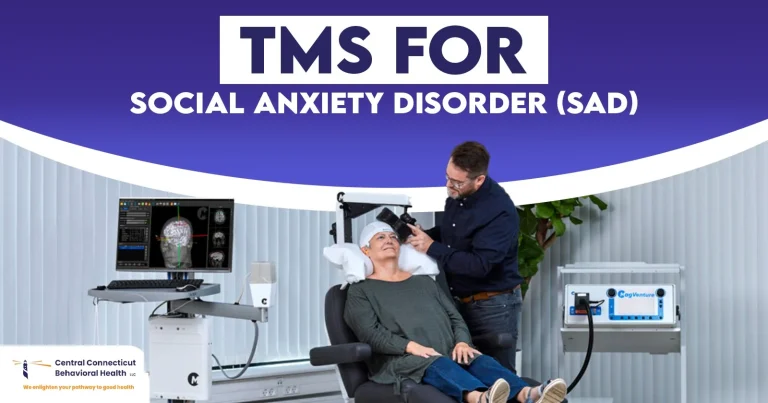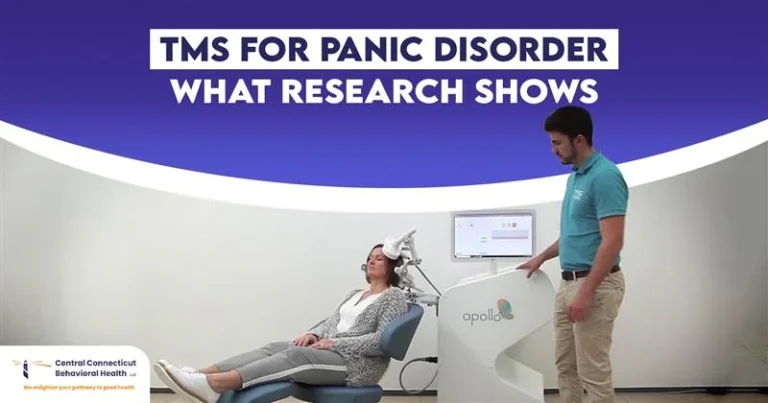

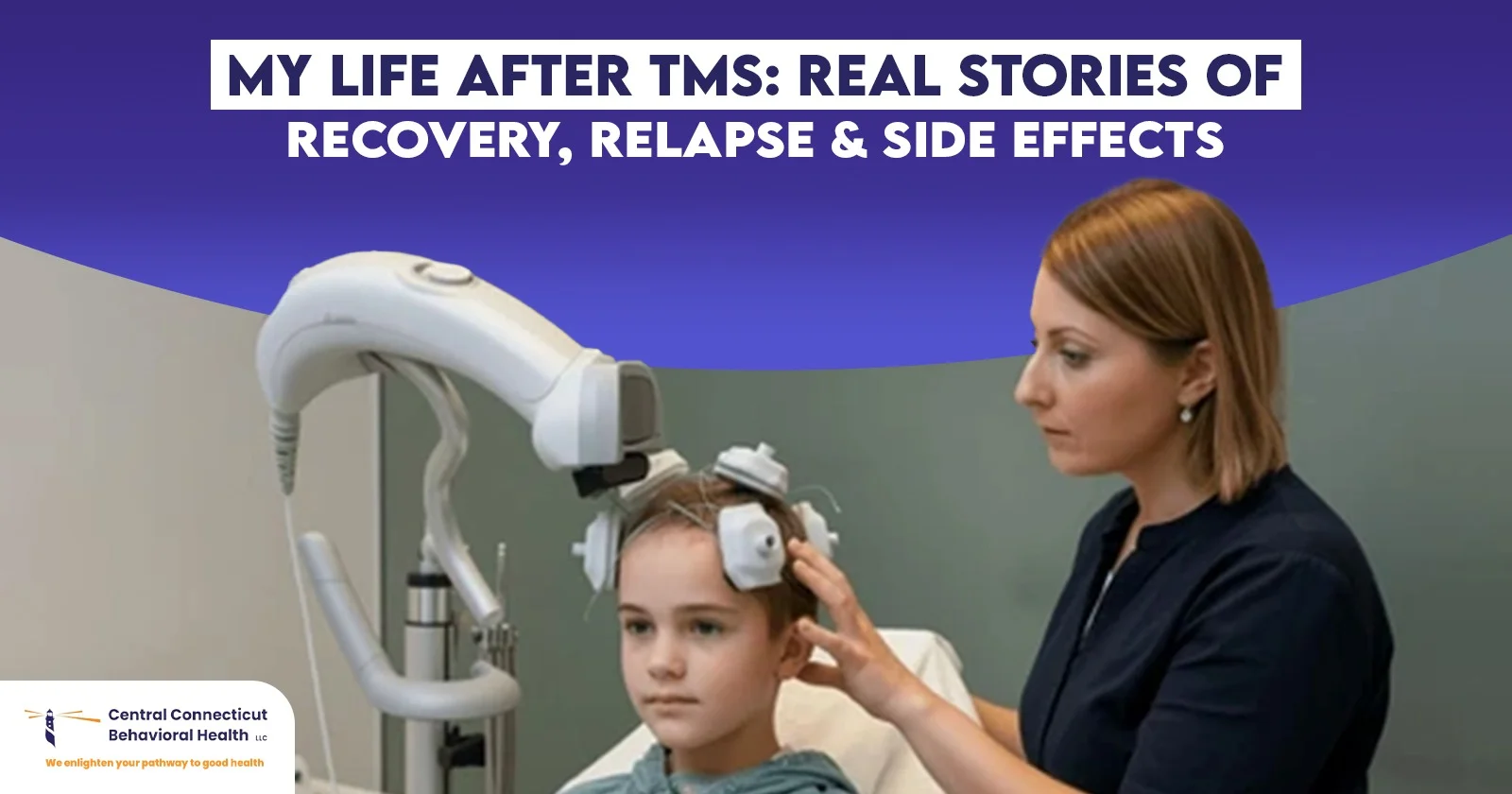
TMS (transcranial magnetic stimulation) therapy is a safe and effective method of treating mental health issues through the stimulation of certain parts of the brain that regulate mood.
Each person’s brain has a unique set of circumstances and will have its own individualized response to TMS treatment based on factors such as diagnosis, prior medication history, trauma history and how consistently they have been treated with TMS. Others search online for phrases like TMS ruined my life.
This is why individualized care, such as what we provide at Central Connecticut Behavioral Health is so important in the treatment of mental health issues.
TMS (Transcranial Magnetic Stimulation) has opened new doors for many people suffering from unresponsive depression. There are, however, those who have had both good and bad reactions to TMS-based procedures.
While many have reported a considerable amount of improvement, many others are left feeling as if they had experienced a major disconnect from their feelings following TMS based procedures.
When TMS Feels Like It Didn’t Work
Many people seeking help have a valid concern can TMS make depression worse? It is possible that patients may experience a temporary intensification of symptoms after starting TMS therapy, particularly during the initial weeks; however, such increases in severity should be evaluated and assessed.
Patients who report that their TMS therapy not working typically do so because they are experiencing continued symptoms after their TMS sessions without having had treatment adjusted, having had supplemental TMS therapy scheduled or combined with other therapeutic modalities (such as medications or psychotherapy).
Side Effects: Short-Term vs Long-Term Experiences
Several people are concerned regarding TMS side effects long term for the treatment of migraines. These side effects may include fatigue, headaches, and/or emotional fluctuations; additionally, some patients relate that they felt “emotionally numb” immediately after receiving TMS (not feeling emotional reactions to things that would normally make one feel something), for example, becoming less community-oriented or having less empathy.
Overall, while adverse reactions after receiving TMS are not experienced equally, they typically subside with time, appropriate aftercare, and emotional support by others and TMS providers.
Many patients ask how long do TMS side effects last, but it varies greatly from each person’s response, though generally speaking; the majority will experience complete resolution of their TMS side effects from 1 to 8 weeks following their procedure date.
Negative Experiences and Emotional Impact
Reports of TMS negative experiences are frequently shared through online forums creating fear and uncertainty. Although these cases are legitimate, they do not represent the majority and usually reflect insufficient screening or lack of support during the post-treatment period.
Individuals stating “TMS ruined my life” are typically conveying their experience of untreated side effects, unrealized expectations, or unresolved co-existing conditions rather than TMS as a therapy.
Is TMS Safe?
A common concern among users of TMS; ‘is TMS dangerous’ however, when performed correctly by certified and qualified clinicians, TMS is FDA-cleared and safe to use.
Serious complications from TMS are infrequent, therefore selecting an experienced practitioner, such as those who will be providing TMS at the best TMS clinics in the U.S.
A qualified TMS clinician will only perform TMS using appropriate technique and equipment.
How Central Connecticut Behavioral Health Supports Patients
Central Connecticut Behavioral Health has several important factors they consider when working with patients:
- Complete assessments before starting any treatment
- Routine monitoring of symptoms during TMS therapy sessions
- Adjustments made if TMS results are not what the patient was hoping for
- Providing emotional support to help those who might experience emotional numbness after TMS or lack of feeling in their bodies following TMS therapy
- Combining other types of therapy with medication management where indicated
In addition to offering TMS therapy to patients who are referred by CT Behavioral Health networks, Central Connecticut Behavioral Health is known throughout the state as a reputable provider of mental health services.
Conclusion
TMS has been known to change lives when paired with appropriate screenings, expectations, and provide you with continued assistance after your treatment has been completed. Central Connecticut Behavioral Health will always provide you with the support you need before, during, and after your TMS treatments, eliminating the fear that can accompany the feeling of being alone while going through your recovery process.
If you are still feeling the effects of TMS; if you have concerns about your experience or your ability to recover from your experience, please know that you have access to compassionate, evidence-based care and healing is still a possibility.
FAQs
Can TMS lead to a worsening of Depression?
Yes, potentially; some patients may have a worsening of symptoms upon initial TMS treatment. Your provider should address any potential concerns about TMS leading to worsening Depression prior to beginning TMS treatment.
Do most people experience long-term side effects with TMS?
No; most people do not experience any long-lasting side effects from TMS and the side effects tend to be easily managed with follow-up care.
What happens if TMS doesn’t seem to be working for me?
Just because TMS appears not to be working for you does not mean you’ve run out of treatment options. Treatment plans may be changed or combined together to achieve the optimal outcome for each individual patient.