
When people come to our clinic at Central Connecticut Behavioral Health, I often hear them say, “I feel stuck. Nothing seems to work anymore.” That’s when I start talking about TMS Treatment Benefits/TMS Benefits.
I tell them straight: it’s not magic. But over the years, I’ve seen it make a real difference for people who’ve been struggling for months, sometimes years. At first, it’s small things—sleeping a little better, a bit more energy—but those tiny changes can build up into something life-changing.
I remember a teen patient, Sara. She’d tried multiple medications, nothing worked. By week three of TMS, she looked at me and said, “I can focus in class again.” That moment was huge for her, and honestly, it was exciting for me to see. Another patient, James, an adult who hadn’t felt joy in over a year, started noticing small things by week four. “I think I’m actually smiling at things again,” he told me. That’s the type of gradual improvement we often see.
How TMS Works
I usually explain it like this: “Think of your brain as a huge orchestra. Depression or anxiety can throw some sections out of tune. TMS gently nudges those sections back into rhythm.”
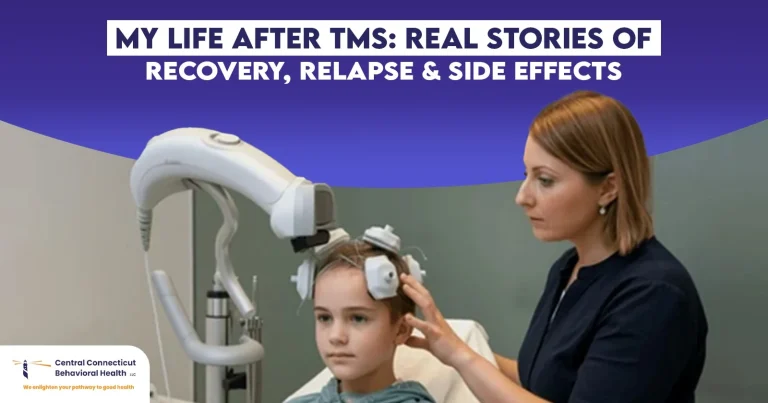
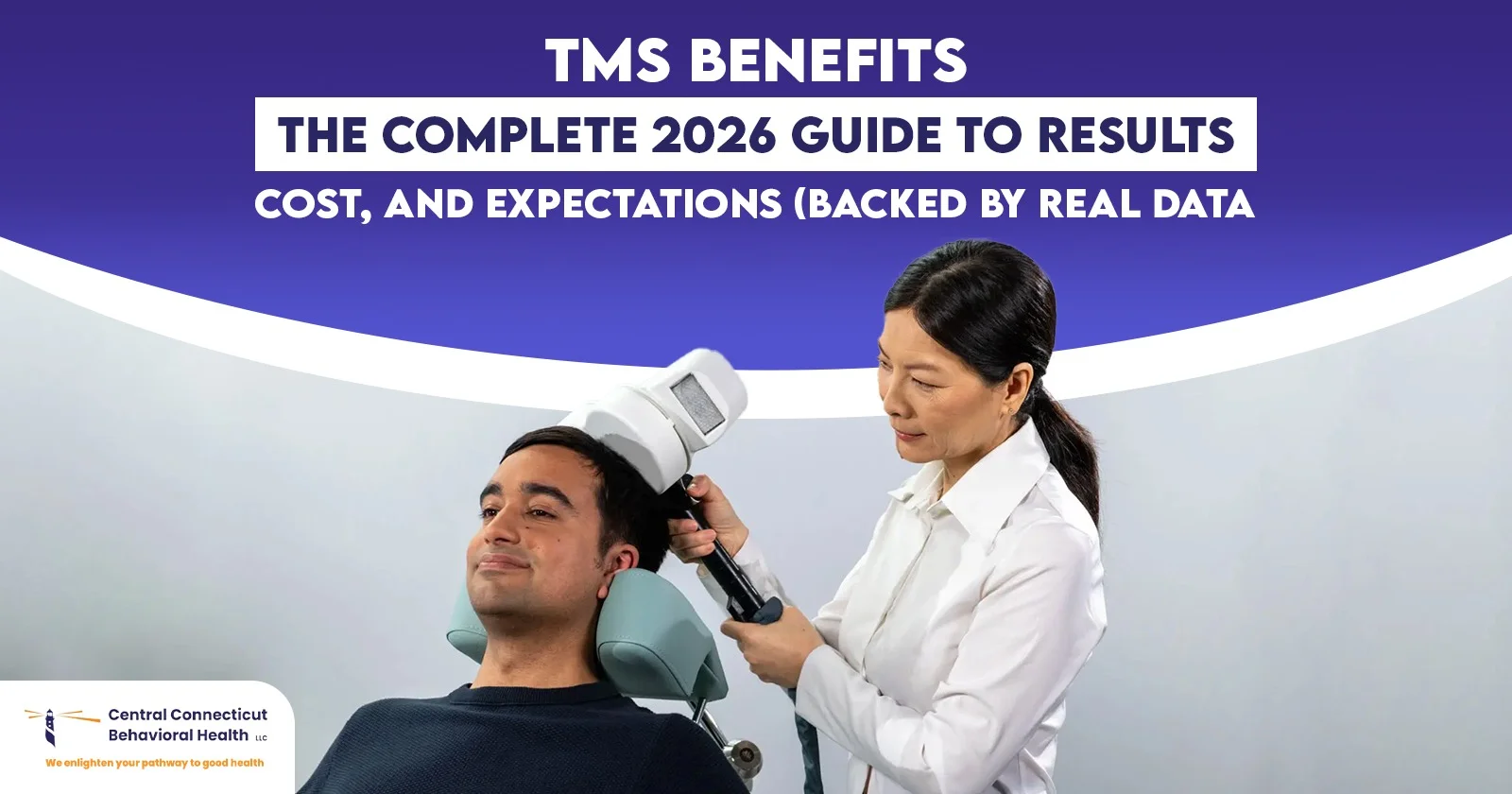
Transcranial Magnetic Stimulation (TMS) is noninvasive. You’re awake the whole time. Sessions are usually 20–40 minutes. And here’s the good part—you can go right back to your day, school, work, or family responsibilities afterward.
A very common question I hear is “Is TMS Effective?” I always tell people: it depends. But in my experience, many patients notice subtle improvements early—like sleeping a bit better or feeling less “foggy.” For some, that alone is enough motivation to keep going. In many cases the friends and family of the patient will notice changes before the patient does.
Real-World Results and Success Rates
People love numbers. And I get it. For treatment-resistant depression, TMS Treatment shows a response rate of around 50–60%, with remission in about 30–40% of patients.
(Treatment results here at NS: response rate 72-92% with remission in about 48% of patients which increased to 68% after two complete TMS Treatment cycles of 36 treatments with a six month break in between sessions).
When patients ask TMS Success Rate? again, I usually say: “These stats are helpful, but what matters most is your personal experience. Even partial improvement can make your day feel manageable again.”
Take Liam, a college student who also struggled with panic attacks. By week three, he noticed he wasn’t spiraling into anxiety as much. By the end, he could attend classes and socialize again. That’s what the numbers reflect in real life.
Studies suggest that overall, for treatment-resistant depression:
- About 50–60% respond to TMS Treatment
- 30–40% achieve full remission
- Another 20% see noticeable partial improvements
Timeline: What to Expect
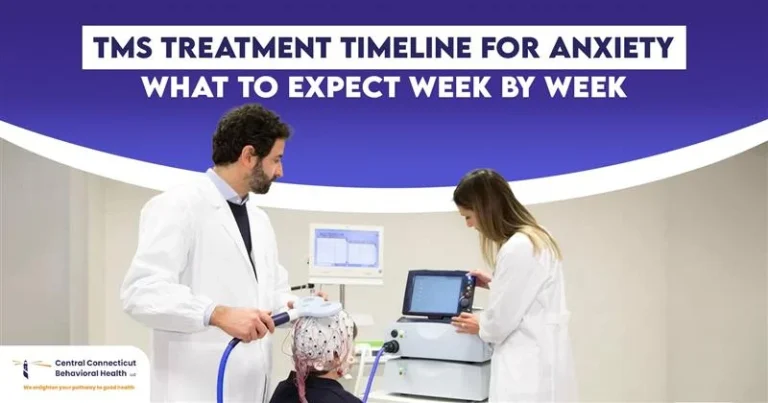
Here’s what I tell patients. TMS Treatment is usually five sessions a week, over four to six weeks. Each session lasts 20–40 minutes. You’re awake and alert the entire time.
I often get asked, “How soon will I feel better?” Small improvements often show up within two to three weeks—better sleep, a little more focus. By weeks four to six, the mood improvements usually become more noticeable.
For example, Maya, a working mom, started noticing she slept better by week two. Then she felt calmer at work. By the end, she said she could handle her day without feeling completely drained.
Discussing TMS Benefits and Results early helps patients understand that progress is gradual. That way, no one expects overnight miracles, but they still see real change.
TMS Benefits for Depression and Anxiety
When people ask Benefits of TMS Therapy?, I tell them: it’s more than just lifting mood. Patients often report increased energy, motivation, and focus. Anxiety often decreases too, especially when it’s tied to chronic stress or rumination.
Sara could focus in school again. James returned to hobbies he hadn’t touched in over a year. Another patient, Maya, found herself managing work and family without feeling completely wiped out. And the best part? No weight gain, no sexual side effects, no emotional dulling.
Who is a Good Candidate?
TMS Treatment is ideal for:
- Adults whose depression hasn’t responded fully to medications
- People who can’t tolerate side effects of medication
- Teens, carefully evaluated
- Anyone looking for noninvasive options
- Screening is critical. I always review medical history, seizure risk, prior treatments, and age.
For example:
David, a middle-aged patient with a medical implant, was not a candidate
Sara, the teen, was perfect for treatment
I always remind patients that setting realistic expectations is just as important as the treatment itself.
Side Effects and Risk vs. Benefit
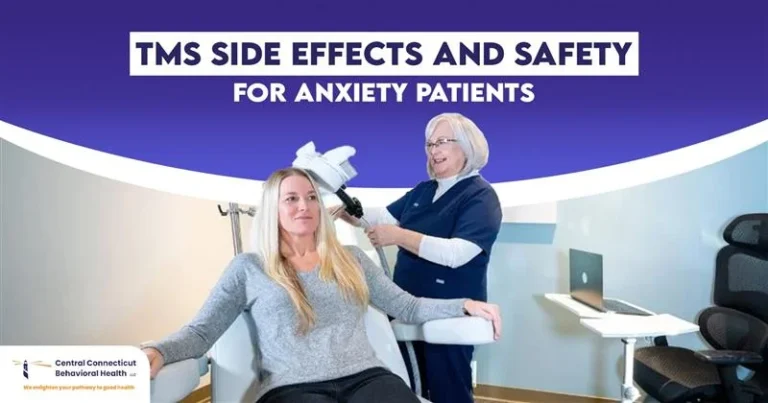
Most patients experience mild scalp discomfort or brief headaches in the first few sessions. These usually fade quickly.
I always make sure to explain this difference carefully. The majority of candidates find the benefits far outweigh mild but temporary discomfort. With proper screening, complications like seizures are very rare to record.
So when I talk about the benefits of TMS therapy, it’s always paired with the risks. Patients can make an informed choice knowing what to expect.
Cost and Insurance
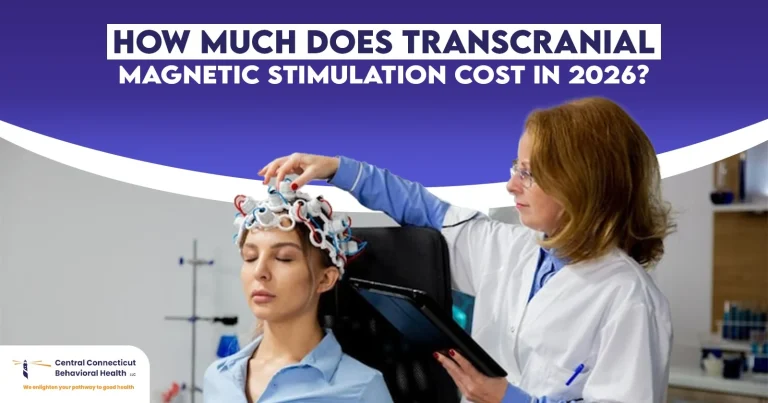
Cost is often a big question. Each session usually runs $300–$500, and a full course of 29–36 sessions costs on average $6,000–$15,000, depending on the protocol. Accelerated or deep TMS Treatment may cost more. Insurance coverage has improved. Many private plans and Medicare now cover TMS for treatment-resistant depression, though prior authorization is usually needed.
At first, Maya was worried. When we discussed the coverage details and co-pays with her, she could proceed with the therapy without any prior stress. If it doesn’t provide full coverage to others, we provide them with different payment options and plans.
Monitoring and Long-Term Care
We track progress weekly during treatment. Upon the completion of TMS sessions we follow up with patients on a scheduled interval of monthly scales. Some patients benefit from maintenance sessions every few months. Others maintain gains with therapy, lifestyle adjustments, and follow-ups.
Understanding TMS Benefits and Results in this context is important. TMS isn’t a one-time fix—it’s part of a bigger recovery plan. The results often improve when combined with therapy, sleep hygiene, and support systems. And many improve greatly with a second round of TMS after six months(when most insurances approve retreatment)
Final Words
When encountering and dealing patients with depression and anxiety, I must conclude that TMS benefits are worth giving with a positive transformation. I can not provide instant wellness, but it gradually improves your mood, energy, and focus which provides you with hope and zest for life.
If you’re thinking about TMS, ask questions, understand the timeline, know the costs, weigh risks and benefits, and remember—we’re here to guide you every step.
It is very important for patients to know that the treatment effects will continue for up to two months: I had a young man who showed some improvement at the end of his treatment and then exactly two months later he called and said “You were right, it worked I can’t believe it, I didn’t believe you, but IT WORKED! I’m So happy I’m going on a trip to Spain!!!”
Frequently Asked Questions (FAQs)
1.How long do TMS results last?
Many patients maintain improvements for months or years. Maintenance sessions help prolong benefits.
2.Can TMS replace medication completely?
Some patients do, others combine it with medication under supervision.
3.Does TMS hurt?
Most feel a gentle tapping or tingling on the scalp. Discomfort is mild and brief.
4.Can I work or drive after sessions?
Yes. Patients return to normal activities immediately.
5.How soon will I notice improvement?
Subtle changes appear in 2–3 weeks, with stronger improvements by week four to six.
6.Is TMS safe for both depression and anxiety?
Yes. In both cases, patients feel a gradual improvement with positive outcomes.