
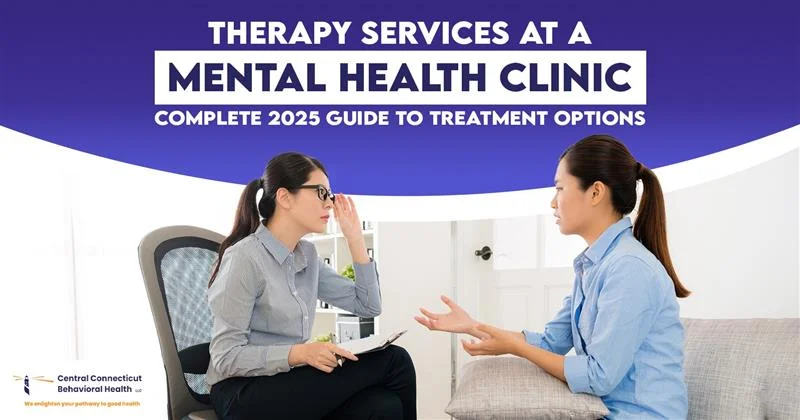
Walking into a mental health clinic for the first time? It can feel… weird. Awkward. A little scary. I remember one patient, Mia, who shuffled in, arms crossed, saying, “I don’t even know why I’m here.” By the end of week two, she was telling jokes in group therapy. That’s the thing about therapy services at a mental health clinic — it’s not just treatment. It’s space, structure, and, honestly, some moments of surprise. Moments where you see someone grow, even when they didn’t think they could.
People often type “therapy services at a mental health clinic near me 2026” into Google, wondering what they’ll get. Let me tell you… there’s more than just talking. There’s skill-building, exercises, sometimes color therapy, sometimes meditation, sometimes just listening. And it works. Really, it does.
Current Therapy Services
Alright, here’s the reality. Clinics offer so many things, and it can feel overwhelming. Individual therapy, group therapy, short-term programs, teletherapy, chromotherapy, mindfulness, evidence-based sessions — all mixed together. Some patients want structure; some want flexibility. Some need a private session, some thrive in a group.
I remember Alex, a young adult with panic attacks. We started with individual CBT. Then he joined a small anxiety-focused group. By week four, he was actually giving advice to others in the group. That’s the power of mixing services. And the clinic? It’s like a toolkit — you just need to know which tool to pick, and when.
Difference Between Group Therapy and Individual Therapy
People often ask, “Which is better?” Honestly… both. Individual therapy is private, deep, reflective. Group therapy is interactive, social, peer-based. One of my patients, Jenna, was hesitant about group sessions. “I’ll just sit there and listen,” she said. Two weeks in, she was modeling coping skills for others, sharing experiences, and even making friends. That peer element? It’s magic.
First Therapy Session: What to Expect
First sessions are… well, first sessions. Expect nerves. Maybe awkward pauses. Introductions, mental health history, goal discussion. Sometimes small exercises, sometimes breathing techniques. Most people leave thinking, “Okay… I think I can do this.”
I’ll be honest, sometimes even I don’t know exactly how it will start. Every patient reacts differently. Liam, another patient, started the first session silent. By the end, he was laughing at his own awkwardness. That’s normal. Really normal.
Teletherapy Services
Teletherapy… let me tell you. It’s not just a Zoom call. Sure, technology glitches happen — “Can you hear me now?” moments — but patients can join from home, lunch breaks, or anywhere private. HIPAA-compliant, secure, effective. Virtual group therapy works too. I had one session where three patients joined from three different towns. And you know what? By the end, they were connecting like they’d been in the same room.
Cost of Therapy Services in the USA
Money, right? Real concern. Short-term therapy programs usually cost less per session. Individual therapy, especially long-term, costs more. Insurance often covers evidence-based methods like CBT or DBT. Sliding scales exist. I had a patient panic thinking they couldn’t afford sessions. Once we explored coverage and payment plans, relief. That’s common. Planning helps. Always helps.
Types of Therapy Offered at Mental Health Clinics
Okay, so here’s a big one. Types of therapy offered at mental health clinics include:
- CBT (Cognitive Behavioral Therapy): It helps in reshaping thought patterns, practical skills, and behaviors.
- DBT: Mindfulness, emotion regulation, distress tolerance.
- EMDR: Trauma processing, PTSD-focused.
- Mindfulness: Meditation, grounding, breathing exercises.
- Chromotherapy: Color-based mood regulation.
I had a patient using CBT for anxiety and EMDR for trauma. Seeing them work together? Wow. That’s why knowing the difference between CBT, DBT, and EMDR at a mental health clinic matters. (1st use secondary keyword)
Difference Between Psychiatry and Therapy
People confuse this a lot. ‘Psychiatry’ means the treatment, including medication and therapy, is the treatment involving sessions of talk. Both can work together. I always say, “Psychiatry is the engine; therapy is the steering wheel.” One without the other? Bumpy ride. Combined? Smooth progress.
Short-Term Therapy Programs
Short-term programs usually run 6–8 weeks. Each session has a theme: coping with stress, managing anxiety, and improving mood. Homework is included. Patients practice exercises in session and at home. Maya, for example, had panic attacks. After a structured 7-week program, she was managing them calmly. Short-term programs work fast but require engagement.
Virtual Group Therapy
Virtual group therapy is surprisingly engaging. Patients log in from home. Exercises include sharing coping strategies, role-playing, mindfulness together. Challenges? Sure — tech, distractions, pets wandering by. But peer connection remains. I’ll never forget a participant saying, “I didn’t think online would feel real… but it did.”
Choosing a Mental Health Clinic
Choosing a clinic? Visit. Ask questions. Meet the staff. Are therapists licensed? Programs evidence-based? How is aftercare? I often tell new patients, “It’s like dating. You need a fit that works.” First impressions matter. Red flags? Staff rushing, lack of structure, vague programs. Good clinics? Structured, transparent, supportive.
Evidence-Based Therapy Options
Evidence-based therapies are proven to work. CBT, DBT, EMDR, and trauma-informed care. It is clear from the studies that the progress is measurable. Pain symptoms of Alex were reduced to half in 10 weeks just by receiving some sessions of CBT and mindfulness. Therapy services at a mental health clinic like ours offer evidence-based therapy. This makes our therapies structured and flexible. We don’t work based on guesses or assumptions.
Aftercare and Follow-Up Therapy Services
Aftercare isn’t optional. Check-ins, booster sessions, phone calls, online reminders. One patient completed 12 weeks, and a short follow-up six months later prevented relapse. Continuity reduces the critical circumstances and risk of relapse. Patients often overlook it, but it’s a game-changer.
Chromotherapy Services
Color therapy might sound extra, but it works subtly. Warm lights during mindfulness calm anxiety. During reflection or watching yourself, cool tones help with focus. Your firm interaction and link with sessions support the regulation of emotions and engagement. Reactions of patients may vary; some love it, and some won’t make it to the end. In any way, still this gentle nudge leads to calm.
Final Words: Therapy as a Journey
Let’s be real. Therapy is messy, human, and nonlinear. Therapy services at a mental health clinic provide spaces for reflection, learning, and coping. Individual, group, teletherapy, and short-term—all help patients grow at their own pace. Patients cry, laugh, vent, and repeat. That’s progress. That’s healing. That’s what we do. And you know? Watching someone find their voice, their skills, their balance? Priceless.
FAQs
-
What are therapy services at a mental health clinic?
These services are based on structured, evidence-based sessions to support mental health, coping strategies, and building skills.
-
What to expect in the first session?
Introductions, assessment, goal discussion, exercises, and a review of confidentiality.
-
Can therapy be done online?
Absolutely, teletherapy and virtual groups are interactive, flexible, and HIPAA-compliant. It is the best option for those patients who feel uncomfortable facing the clinic.
-
Difference between CBT, DBT, and EMDR?
CBT targets thoughts/behaviors, DBT teaches emotional regulation, EMDR focuses on trauma.
-
How much does therapy cost in the USA?
Costs vary by session type and program length. Insurance and sliding scales often help.
-
How do I choose a mental health clinic?
Visit, meet staff, ask about licensing, evidence-based programs, aftercare, teletherapy, and patient fit.