
I know stepping into TMS for the first time can feel a bit overwhelming. Honestly, when patients first hear about magnetic pulses to their brain, I see their eyes widen. “Is it safe? Will it hurt?” they ask. I totally get it. Let’s just sit down and talk through how TMS works. in a way that makes sense.
I remember one patient, Sarah. She had tried multiple antidepressants and was feeling hopeless. She was nervous about TMS and kept asking, “Do I need anesthesia? Will I feel shocks?” I laughed softly and said, “No, nothing like that. You’ll be awake. It’s a gentle tapping sensation. Nothing scary.” After a few weeks, she told me, “I feel like my brain is waking up—small changes, but they feel huge.” That’s what makes explaining this process so rewarding.
How Does TMS Work for Depression?
So, how does TMS work for depression? In depression, your prefrontal cortex gets underactive, which is the brain center helping in mood regulation and decision-making. Transcranial magnetic stimulation sends impulses to the neurons in this particular region of the brain, which enhances the electric compulsion and connection, hence restoring the normal activity.
I like to use a city analogy: imagine the brain as a busy city. Depression closes certain streets. Traffic slows, signals fail. TMS opens up the streets and restores communication. Patients often tell me, “It’s like traffic flowing again in my brain.” That’s essentially TMS Brain Stimulation Explained—using magnetic pulses to gently reactivate underperforming circuits.
TMS vs. ECT
Now, many patients compare this to ECT. It’s natural to wonder. ECT involves anesthesia and induced seizures. TMS? You’re awake, alert, fully functional. There’s no memory loss, no sedation, no anesthesia. Just a gentle tapping sensation. One patient chuckled after her first session, “So this is it? I was expecting shocks or something dramatic!” That’s the beauty of TMS. Gentle, precise, and effective.
What is TMS Therapy? A stepwise explanation
Many people ask me, What is TMS Therapy? Here’s how I explain it:
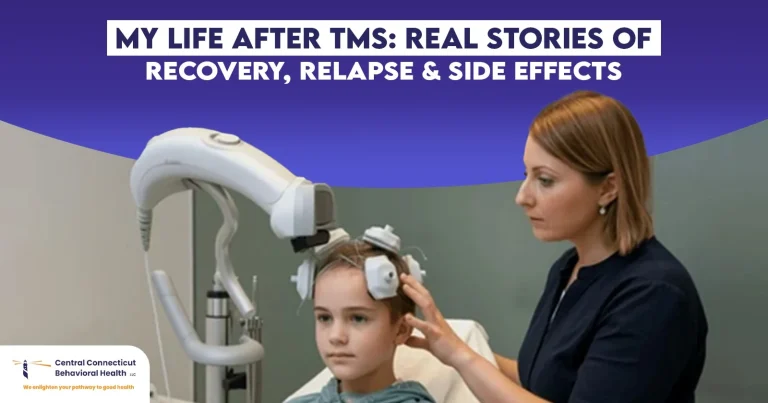
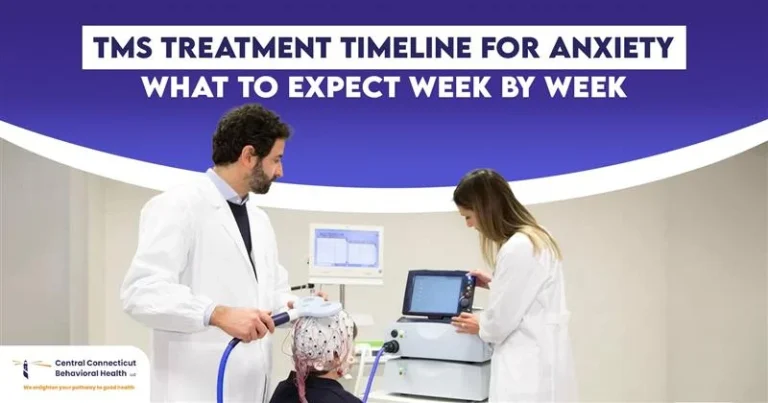
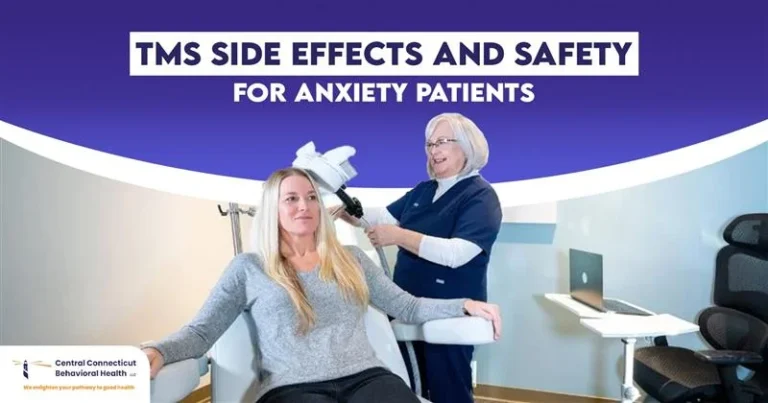
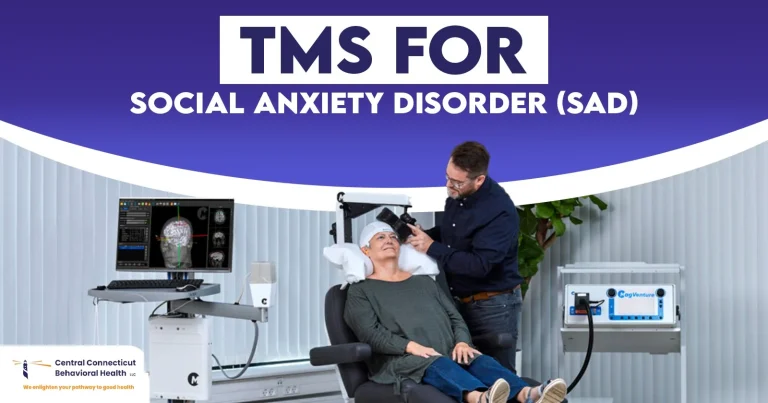
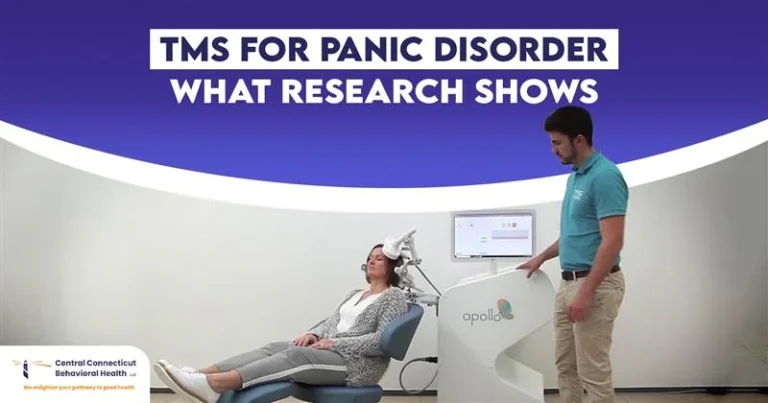
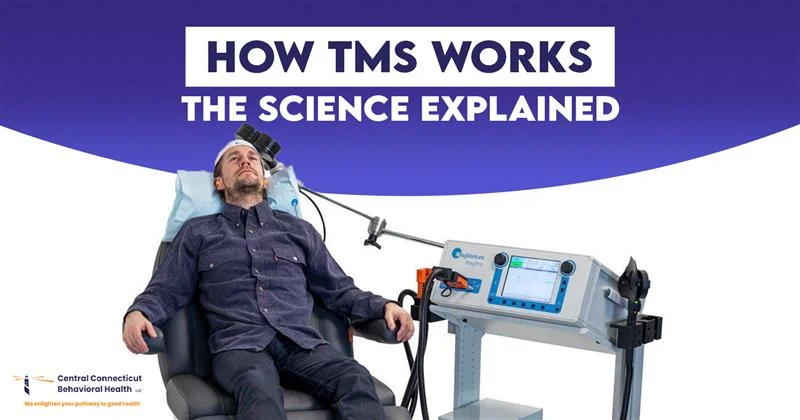
We start with a consultation. I review your history, medications, and goals. Sometimes we do a simple mapping procedure to find the ideal spot on your brain. During the sessions, you sit in a comfortable chair. The magnetic coil is positioned over your head. You’ll hear clicks and feel gentle tapping—sometimes a slight muscle twitch. It sounds strange at first, but most patients say it’s easier than they expected.
Sessions last 20–40 minutes. You’re free to go about your day immediately afterward. A full course is usually 20–30 sessions over 4–6 weeks. Some notice subtle improvements in the first week. Others take a few weeks. Everyone responds a little differently.
How TMS Works? The Science Behind It
Let’s talk science, casually. TMS Therapy Science shows that repeated magnetic pulses create small electrical currents in the neurons of your prefrontal cortex. These currents activate neurons and strengthen their connections. Think of it as gently exercising the brain circuits that manage mood.
I often tell patients, “It’s like sending reminders to your brain: hey, remember how to regulate mood?” Over time, the circuits respond, improving focus, motivation, and energy. For many who have tried medications without success, this can be life-changing.
Working Mechanism of TMS
Here’s how TMS works. happens in practical terms:
- The coil is placed over the prefrontal cortex.
- Magnetic pulses generate tiny currents.
- Neurons fire and start communicating better.
- Repeated sessions strengthen these pathways.
- Over weeks, improved activity translates into mood and energy improvements.
I explain it like this to patients: “Imagine repeatedly walking a hidden path in the forest. At first, it’s faint, but each step makes it clearer and easier to follow.” That’s exactly what repeated TMS sessions do for brain circuits.
Is It Safe?
Safety is always the first concern. TMS is extremely safe. Most patients feel gentle tapping or slight tingling. Some may have mild headaches early on. There’s no anesthesia, no sedation, no memory loss. You can drive yourself home after each session.
Here’s something I often say: TMS Brain Stimulation Explained—the pulses are carefully focused. They target the areas that need stimulation, leaving the rest of the brain untouched. In thousands of sessions I’ve overseen, serious complications are rare. Patients often tell me, “It’s easier than I imagined, and I can go straight to work.” That’s the kind of reassurance I love giving.
Duration and Effectiveness
“How long will it last?” patients ask. Well, a typical course of 20–30 sessions over 4–6 weeks strengthens the brain circuits and creates lasting changes. Some patients have shown a gradual mood shift in first week, and more improvement is seen after a few weeks in majority others. The benefits of TMS can last for months, and the response rate for treatment-resistant depression is 50-60%. To preserve positive outcomes, maintenance sessions are recommended.
Here is an important thing to know: your brain circuits are like overgrown tracks in a forest. TMS clears them with every passing session, gently. By the end, the paths are clear, and signals flow easily again. Many patients describe feeling like they can enjoy life’s small pleasures again. Clinically, TMS Therapy Science supports these improvements with repeated, targeted stimulation for long-term benefit.
Final Thoughts
So, if you’ve ever wondered how TMS works, now you know. This therapy is safe and effective, as it is non-invasive. When other treatments fail, patients gain clarity and energy and are motivated. TMS provides a gentle and precise mechanism which improves your brain connectivity. When this process is combined with therapy, it ends in remarkable results.
I always tell my patients, “It’s like giving your brain a gentle nudge in the right direction until it remembers how to regulate mood properly.” And seeing the slow, steady changes over weeks—that’s the part that never fails to inspire me as a clinician.
Frequently Asked Questions (FAQs)
-
How does TMS work for depression?
Magnetic pulses activate underactive brain areas, strengthening communication and improving mood.
-
What is TMS Therapy?
A non-invasive procedure using magnetic fields to stimulate brain circuits involved in depression.
-
Is TMS safe?
Yes. Mild scalp tingling or headaches are common. No anesthesia or memory issues.
-
How long does TMS take?
Sessions are 20–40 minutes; a full course usually spans 4–6 weeks.
-
How long is it effective?
Benefits often last months; maintenance sessions may be recommended.
-
How is TMS different from ECT?
TMS is gentle, awake, and non-invasive. ECT involves anesthesia and induced seizures.