
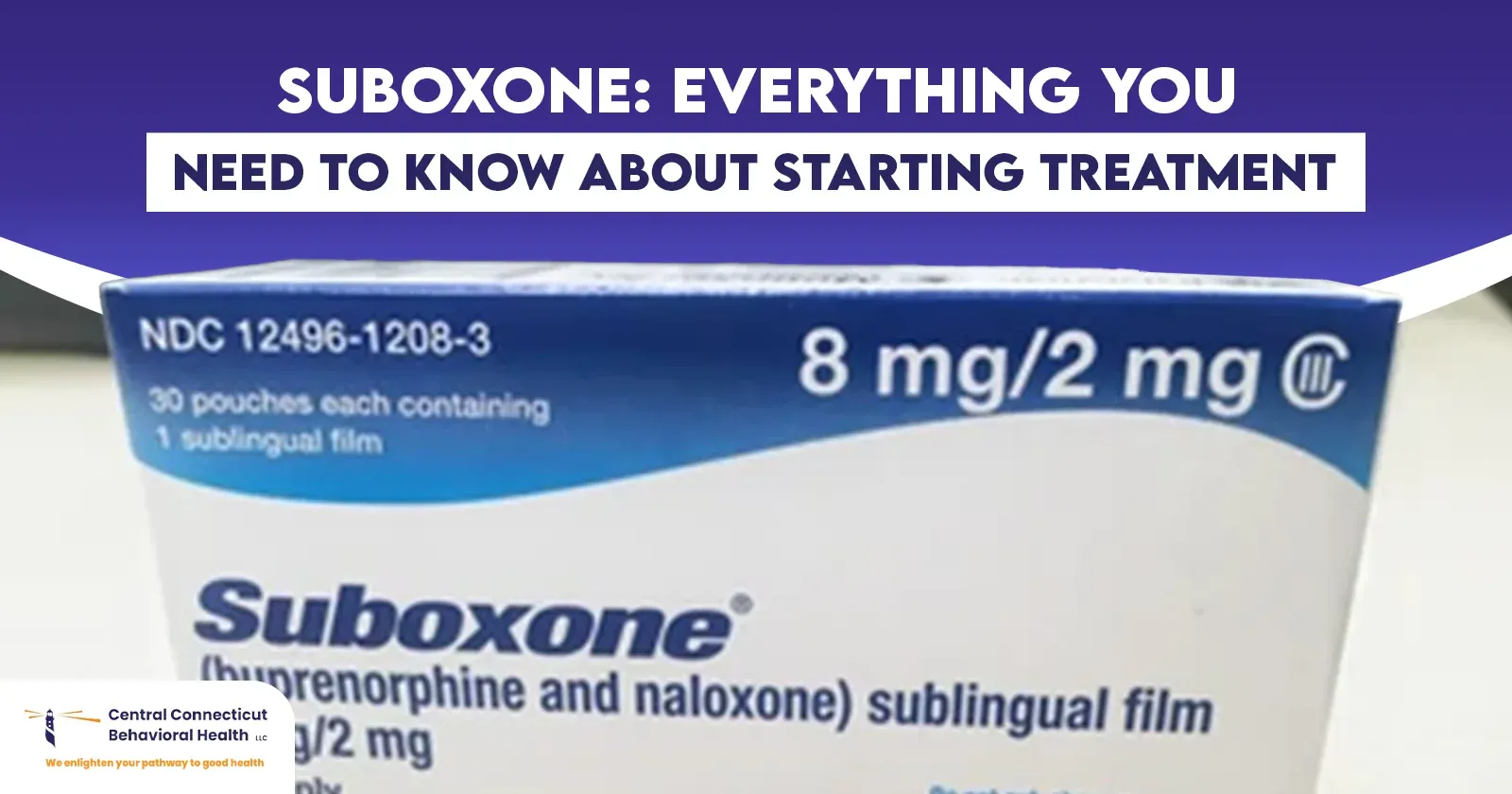
Suboxone is a prescription medication that is used to treat opioid dependency. It consists of two components: buprenorphine and naloxone.
Buprenorphine is a partial opioid agonist, so it effectively reduces cravings and withdrawal symptoms without giving an individual the same high as a full opioid. Naloxone is included as a way to prevent the medication from being misused.
As a result of these two drugs being combined, Suboxone is a safer option compared to traditional opioids.
Suboxone is prescribed by physicians only as part of a structured treatment program that includes therapy and behavioral support.
How Suboxone Works
Buprenorphine is used in the treatment of addiction by acting on the same opioid receptors in the brain, but with a more controlled and less damaging effect.
This reduces cravings and also helps to prevent withdrawal symptoms but does not produce a strong euphoric effect.
Suboxone also offers the advantage of a “ceiling effect” with respect to dosing.
In general terms this means that the drug will have no further effect after reaching a particular dose, which also reduces the potential for misuse. Thus making Suboxone a safer long-term recovery choice.
Suboxone for Opioid Use Disorder
Healthcare providers advise using suboxone for opioid use disorder.
Opiate addiction is a lifelong problem for the brain and someone’s actions, so stopping opiate use without help is nearly impossible.
Suboxone stabilizes brain chemistry as well as lessens physical withdrawal symptoms from stopping using opiates to help, therefore allowing a patient to get more involved in counseling and support services.
Suboxone Dosage Guide
To be treated safely and successfully with Suboxone, it is essential that you follow your doctor’s recommendation for a proper dose.
Suboxone treatment starts with an induction period when the doctor will determine what your starting dose should be.
After you have been on the dose long enough to find a dose that works to manage your cravings and withdrawal symptoms, the provider will move into a stabilization stage in which he will adjust your dose accordingly. Finally, during the maintenance period, patients will receive a fixed dose and focus on their recovery.
Your healthcare provider will establish regular appointments with you to make sure that your Suboxone Treatment is progressing as it should.
Suboxone Benefits
One major plus is that it helps minimize withdrawal symptoms and cravings very well.
Secondarily, Suboxone will improve patients’ quality of life. Patients can go back to work, rebuild relationships with loved ones, and regain their independent lifestyle.
Unlike regular opioids, Suboxone comes with a low risk for misuse because of its “ceiling effect”.
There are also some flexible options available with using Suboxone. After being stabilized, most patients will be able to take their medications from home rather than having to drive to a clinic daily for doses. This provides for much greater consistency of treatment in these patients’ lives.
Suboxone Side Effects
Just like many other medications, suboxone has side effects. Some common side effects include a headache, nausea, constipation, and mild sleep disruption.
Most of these effects will pass after your body adjusts to using this medication, and they typically last only a short time.
Serious side effects are infrequently seen with suboxone and can include difficulty breathing or an allergic reaction to the medication.
If you experience any symptoms that are different than what you would expect from taking this medication, you should contact your doctor immediately.
Suboxone Withdrawal Symptoms
While Suboxone is often prescribed to alleviate withdrawal, stopping it abruptly can cause patients to experience suboxone withdrawal symptoms, including but not limited to: anxiety, muscle pain, sleeplessness and/or irritability.
However, suboxone withdrawal symptoms typically has less severe symptoms than withdrawals caused by other opioids; therefore, most physicians recommend the use of tapering to gradually reduce the amount being taken in an effort to minimize discomfort related to withdrawal.
Proper management of suboxone withdrawal is also critical for long-term sobriety and the patient will have a structured, doctor-directed approach to help reduce their dependence on suboxone over time.
Suboxone vs Methadone
Suboxone and methadone are both effective options for treating opioid dependence; however, there are significant differences between them. Methadone is classified as a full agonist compared to Suboxone which is considered a partial agonist.
Due to this classification, Suboxone typically carries a lower risk of misuse and an overdose than methadone.
For many patients, Suboxone may be the preferred treatment option due to its increased flexibility and fewer restrictions on use.
Ultimately, the best choice will depend on the needs of each patient and their previous experiences with medication management.
Suboxone Long Term Effects
When used as prescribed and monitored appropriately, long-term Suboxone use can typically be safely prescribed under the supervision of a physician or other qualified healthcare professional.
Long-term use of Suboxone will have minor side effects which may include some mild hormonal changes and/or physical dependence on Suboxone.
Most patients who use suboxone long term will find that the benefits of remaining sober or in recovery far exceed any potential risks associated with these side effects.
Conclusion
Deciding to start your recovery is a courageous choice, and the choice of treatment can be very impactful on your success.
Suboxone is a safe and effective means of reducing cravings associated with an opioid-dependent lifestyle, while helping to return you to a normal everyday life.
By utilizing the necessary resources, individuals who work with a team of professionals can achieve lasting recovery and an overall improvement in their quality of life.
At Central Connecticut Behavioral Health, our staff works with the patient to ensure they feel that they are being respected, understood and empowered.
FAQs
Is there a risk of serious side effects with suboxone?
Most of the side effects related to suboxone use are mild and do not last long. Serious side effects will be uncommon if suboxone is taken as intended.
Will stopping suboxone cause withdrawal symptoms?
Withdrawal symptoms from suboxone will usually occur if it is stopped abruptly. When used under the supervision of a medical professional, tapering is highly recommended.
Is suboxone a better alternative over methadone?
The differences between suboxone and methadone are typically subjective and should be based upon the patient’s individual needs. Suboxone has the advantage of being safe and having more options than methadone.