
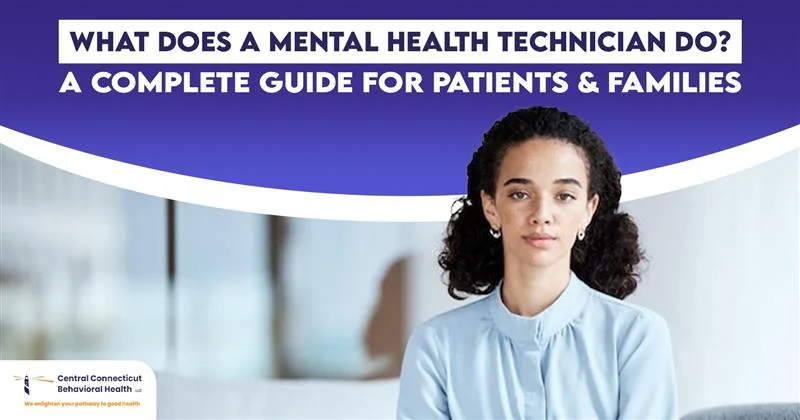
When families first walk into a behavioral health clinic, there are many faces they meet. There is the psychiatrist. There is the therapist. There are nurses. And then there is someone who quietly stays close to the patient almost all day, the mental health technician.
If you have ever wondered what does a mental health tech do, you are not alone. It is one of the most common questions families ask during admission. The answer is not simple, because their work touches almost every part of a patient’s day.
At Central Connecticut Behavioral Health, patients and families often say that the technician was the person who made them feel most comfortable in the beginning. They are the steady presence, observant, supportive, and calm, especially when everything feels overwhelming.
Understanding the Role in Simple Terms
To explain the role clearly, think of a mental health tech as the bridge between the patient and the clinical team. They are not there to replace therapists or psychiatrists. Instead, they help carry out the treatment plan in real time, during everyday moments.
Many people search online asking, what does a mental health technician do, because the title can sound technical. In reality, their job is deeply human. They monitor safety, assist with daily routines, support emotional regulation, and report important observations to licensed professionals.
At clinics like Central Connecticut Behavioral Health, technicians work closely with psychiatrists, therapists, and nurses. They help ensure that care plans are followed and that no small behavioral change goes unnoticed. Those small changes often matter the most.
Do they really help with recovery, or is that just the therapist
Therapy sessions are powerful. But recovery doesn’t only happen in a therapy chair.
It happens during lunch conversations. During structured group activities. During moments when someone chooses to try a coping skill instead of reacting impulsively.
That’s where the technician quietly reinforces progress. They remind patients of tools they’ve learned. They acknowledge effort. They help turn insight into action.
What kind of person becomes good at this job?
It’s not just about training. It’s about temperament.
Someone who rushes easily or reacts emotionally will struggle. The role requires patience, sometimes more patience than you think is possible.
Strong listening skills matter. So does the ability to stay calm when someone else feels anything but calm. Those qualities can’t be faked for long. Patients notice authenticity quickly.
Daily Routine and Core Responsibilities
A typical day begins with checking in on patients, making sure everyone is safe, stable, and ready for the day. Monitoring mood, sleep patterns, appetite, and behavior is part of the mental health technician routine. These observations are carefully documented so the clinical team can adjust treatment if needed.
Throughout the day, technicians assist patients with structured activities. That may include helping them attend therapy sessions, guiding group discussions, or supporting coping exercises. If someone feels anxious before a session, the technician is often the first person to notice.
Another important responsibility is maintaining a safe environment. This means watching for signs of distress, preventing conflicts, and intervening early if someone appears overwhelmed. The MH technician duties in patient care are often hands-on, especially in inpatient or intensive outpatient settings.
How do they support families without overstepping?
Families often feel unsure of their role during treatment. Technicians don’t replace therapists in family discussions, but they help keep communication consistent through the care team.
They may notice progress that a family hasn’t seen yet. Or they may observe patterns that need more attention.
It’s not about giving families constant updates. It’s about helping the clinical team see the full daily picture so decisions are informed and balanced.
Why does this role matter more in structured programs?
In outpatient settings where patients go home daily, routine matters. In more intensive settings, it matters even more.
A structured environment only works if someone helps maintain it. That’s where the technician becomes essential. They help patients stick to the plan even on days when motivation is low.
Consistency builds stability. Stability supports recovery.
Role in Patient Care: The Human Connection
When discussing MH technician role in patient care, it helps to picture a patient going through a difficult moment. Maybe they are adjusting to new medication. Maybe they feel unsure about opening up in therapy. The technician is often right there, offering reassurance.
They provide encouragement between formal therapy sessions. They sit beside patients during activities. They gently remind someone to practice breathing exercises. That constant support builds trust.
Families sometimes assume that care can only be guided in therapy rooms. But in reality, a major ratio of healing has been recorded in daily interaction with patients. Patients get stability and feel supported when the mental health techs create a safe and consistent bond with them.
Supporting Emotional and Physical Safety
Safety is always the priority. Technicians are trained to recognize early warning signs, agitation, withdrawal, rapid mood shifts, or signs of self-harm risk. When something changes, they alert the supervising clinician immediately.
Their role also includes helping patients follow medication schedules, assisting with meals, and encouraging healthy sleep patterns. While they do not prescribe or diagnose, they observe patterns that guide treatment decisions.
Families often ask, what does a mental health technician do during a crisis? The answer is simple but powerful: they stay present. They de-escalate situations, use calming techniques, and ensure the patient is never left unsupported.
Skills That Make a Difference
The work requires patience, emotional strength, and strong communication. The image technician skills that matter most are empathy, observation, and calm decision-making.
They must listen without judgement. They must notice subtle changes in behavior. They must communicate clearly with nurses, therapists, and psychiatrists. These skills are not just technical, they are deeply interpersonal.
Technicians receive professional training to manage different mental health conditions with
confidence at Central CT Behavioral Health. They are able to handle chronic conditions associated with anxiety and depression when guided accurately.
How They Support Recovery
Recovery is rarely a straight line. Some days are hopeful. Others are heavy. A mental health technician helps patients stay engaged in the process even on the difficult days.
They reinforce coping strategies taught in therapy. They encourage participation in group sessions. They celebrate small progress, like attending a session after feeling hesitant. Clinicians explain in detail that the consistent approach matters when families ask about recovery. The timely presence of a technician ensures long-term improvement in their health conditions. They help build routine, understanding, and confidence in patients to improve their mental wellness.
Are they involved when things get emotional?
When someone feels overwhelmed, angry, or withdrawn, the technician is usually the first person nearby. They use de-escalation techniques. They lower their voice. They create space. They help slow things down.
Not every emotional moment turns into a crisis. Sometimes it’s just a wave. And having someone steady during that wave makes a difference most people don’t realize until later.
The Technician’s Role for Families
Families often feel unsure about how to help their loved one. Technicians help bridge that gap by communicating observations to the treatment team, which can then guide family discussions.
While they do not replace therapists, they provide helpful updates about daily progress. They can also model supportive communication techniques that families can continue at home.
For many families at Central Connecticut Behavioral Health, the technician becomes a reassuring point of contact, someone who understands both the clinical plan and the day-to-day emotional reality of the patient.
Why Choose Central Connecticut Behavioral Health
Choosing a clinic is about more than credentials. It is about feeling safe and supported. At Central Connecticut Behavioral Health, technicians are integrated into every level of care, ensuring patients are never navigating treatment alone.
The team works collaboratively. Psychiatrists create treatment plans. Therapists guide emotional processing. Technicians help bring those plans to life in daily practice.
If you are searching for answers about what does a mental health tech do, seeing their role within a compassionate clinic environment often makes everything clearer. Their work is practical, emotional, and essential.
Final Thoughts
When families first hear the title mental health technician, it may sound clinical or distant. But in reality, these professionals are often the steady, compassionate presence that patients rely on most. They monitor. They support. They encourage. They protect. And quietly, day by day, they help make recovery possible. At clinics like Central Connecticut Behavioral Health, technicians work closely with psychiatrists, therapists, and nurses. They help ensure that care plans are followed and that no small behavioral change goes unnoticed. Those small changes often matter the most.
FAQs
-
Is a mental health tech the same as a nurse?
No. Nurses manage medications and clinical procedures. Technicians focus on daily support, observation, and patient interaction.
-
Do mental health technicians provide therapy?
They do not conduct therapy sessions, but they reinforce coping strategies and support patients between sessions.
-
Can families speak directly with a technician?
In many settings, yes. Communication typically goes through the treatment team, but technicians often share observations with clinicians who update families.
-
What qualifications does a mental health tech need?
It depends on the state, but technicians should have clinical experience under professional training. Those with mental health education are preferred.
-
Are technicians involved in crisis situations?
Yes. Until a licensed professional shows up, they should help improve the situation while maintaining patient safety.
-
How do I know if my loved one will benefit from this level of support?
If daily structure, monitoring, and consistent emotional support are needed, technician-assisted care can be very beneficial.