

You know, people often ask me, “Do retreats actually make a difference?” And I get it. I really do. Honestly… sometimes I ask myself the same thing when I see a new patient walk in, exhausted, and skeptical.
At Central Connecticut Behavioral Health, I’ve seen retreats do amazing things. Not magic, not overnight fixes. Just… a focused space. A few days away from the usual grind. Time to notice, to reflect, to actually practice something instead of just talking about it.
One patient, let’s call her Sarah, came to a weekend CBT retreat for anxiety. She was tense, arms crossed, rolling her eyes at some of the exercises. By day two, she said, “I didn’t think it would work—but it actually does.” Small victories like that? They stick.
Mental Health Retreats: What They Really Are
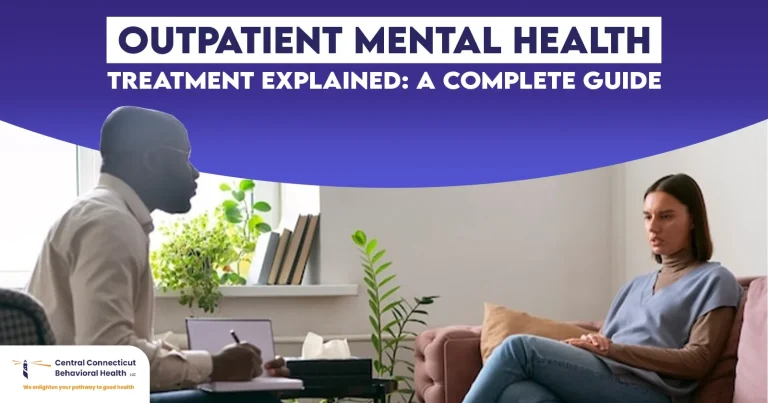
So, what exactly is a mental health retreat? Not a spa. Not a vacation. Think of it more like a workshop for your mind… but you live it.
You do therapy, yes. But also mindfulness, journaling, group exercises, maybe some movement. A depression retreat might focus on noticing patterns in thinking. An anxiety retreat could help you interrupt panic cycles. Even ketamine fit here—carefully supervised, paired with therapy.
I often say to patients, “It’s the environment that matters.” Being away from emails, traffic, work deadlines… it’s almost like the mind can breathe. One guy told me, “I didn’t realize how stuck I was until I had space to notice.”
CBT: Practicing Skills Intensively
CBT are basically doing cognitive behavioral therapy… but on steroids. Not literally. Ha. What I mean is—you get to practice, reflect, and try again, all in one concentrated stretch.
Alex, a patient of mine, came to a weekend CBT for anxiety. He’d been doing therapy for months, struggling to catch negative thought cycles. By the second day, he could pause… notice the thought… and make a choice. He said, “I actually feel like I can do this.” That’s the power of repeated practice in a retreat. Small exercises, small wins, repeated.
ACT: Accept and Move Forward
Then there’s Acceptance and Commitment Therapy (ACT). Different angle. Not about getting rid of anxiety or depression. About noticing it… accepting it… and still moving toward what matters.
One patient, Sarah—different Sarah—said, “I’ve been fighting my anxiety for years. At this retreat… I just noticed it, and moved on. And somehow, it worked.”
ACT use mindfulness, journaling, small group talks. People leave surprised: “Wait… I can feel anxious and still… function?” Yep. That’s the goal.
EMDR: Processing Trauma
EMDR residential programs for trauma. These are powerful. Trauma memories can feel like a heavy backpack you never set down. Give you a place to unpack it safely.
I remember a patient who whispered, “I never thought I could think about the past without panicking.” After EMDR sessions in the retreat… she could. And that feeling—freedom from being triggered constantly—is what makes EMDR so effective.
Ketamine Retreats – Assisted: Extra Support
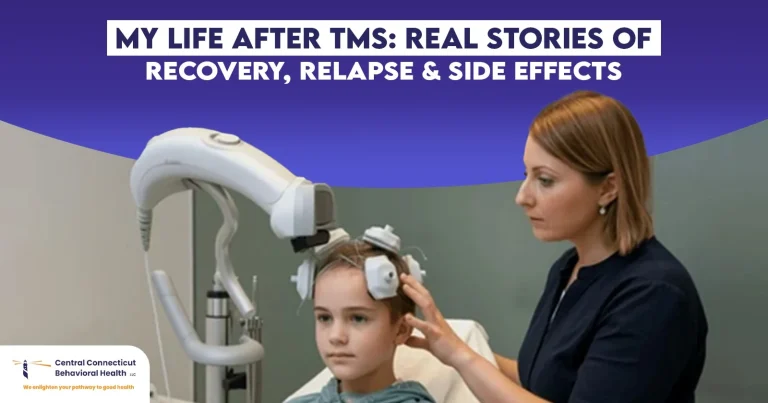
Some patients need more than therapy alone. Ketamine sessions are supervised carefully as they combine ketamine with other therapies. Safety is ensured throughout the process particularly screening, dosing, and monitoring.
Patients often notice mood changes quickly. Not magic, not instant cure—but a shift. A new perspective. Sometimes that’s enough to kickstart real change.
Residential Treatment for Depression
Short help. In some severe cases, it can be needed as a long-term immersion. Residential treatment for depression offers structured therapy daily, wellness activities, and 24/7 support.
Patients live, breathe, and practice recovery. Retreats can jumpstart progress; residential programs help sustain it.
Do Retreats Really Work?
I know you might be thinking… “Will this actually help me?” Honestly—yes, but it depends. Work when they match the person. Type of therapy, length, setting. For trauma and depression evidence show immersive therapy can be powerful. Patients leave stronger, more capable, and… well… hopeful.
Choosing the Right Retreat
Not every retreat fits every patient. Some thrive at a weekend CBT retreat for anxiety, others need EMDR residential programs for trauma USA. Some benefit from ketamine.
We guide patients to the right fit. One size doesn’t work for everyone. But the right match can be life-changing.
Final Thoughts
Evidence-based retreats give patients the chance to pause, reflect, and practice. CBT, ACT, EMDR, ketamine-assisted… whatever fits your needs.
Sometimes it’s a tiny shift. Sometimes it’s massive. Either way, patients leave with tools they didn’t have before. And that’s really what counts.
FAQs about Retreats
-
What types of retreats are available?
CBT, ACT, EMDR, ketamine-assisted — depression, anxiety, trauma.
-
How do weekend retreats differ from residential programs?
Weekend: short, focused, skill-building. Residential: longer, structured, daily therapy.
-
Are ketamine safe?
It is absolutely safe, as the procedure is done with proper supervision, personalized dosing, and monitoring.
-
How effective are therapy?
Patients usually leave with stronger coping skills, better emotional regulation, more confidence.
-
Can retreats help severe depression or trauma?
Yes. Sessions held frequently with residential programs provides the best support.
-
Are EMDR suitable for trauma survivors?
Yes. EMDR residential programs for trauma USA help process past trauma safely.